
Primera parte de un artículo dedicado a las influencias de las creencias en la creatividad de un artista,
(The English version of article is provided below the Spanish version)
Primera parte de un artículo dedicado a las influencias de las creencias en la creatividad de un artista, en este artículo hablaremos de las repercusiones positivas.
La Influencia Positiva de las Creencias en el Proceso Creativo de un Artista
Introducción
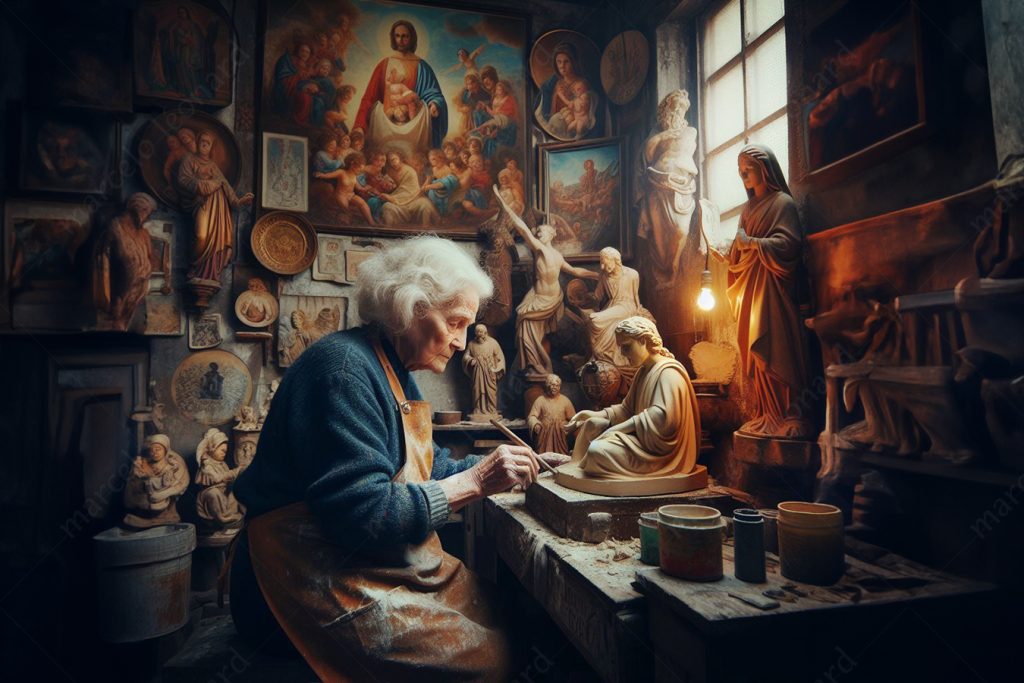
El proceso creativo de un artista es frecuentemente un viaje profundamente personal, influenciado por una miríada de factores que incluyen experiencias personales, trasfondo cultural y creencias filosóficas. Entre estas influencias, las creencias religiosas, mágicas y místicas desempeñan un papel significativo en la formación de la perspectiva del artista e inspiran sus esfuerzos creativos. En este artículo, exploramos el impacto profundo y positivo de tales creencias en el proceso creativo de un artista, examinando cómo infunden el acto de creación con significado, propósito y trascendencia.
Inspiración y Conexión
Las creencias religiosas, mágicas y místicas ofrecen una fuente inagotable de inspiración para los artistas, proporcionándoles un rico tapiz de símbolos, mitos y arquetipos en los que basarse en su trabajo. Ya sea a través de las historias sagradas de su fe, las visiones místicas de las tradiciones esotéricas o el simbolismo mágico de las prácticas ocultas, los artistas encuentran resonancia en estas narrativas y símbolos, utilizándolos como catalizadores para su propia exploración creativa. Estas creencias sirven para profundizar el sentido de conexión del artista con algo más grande que ellos mismos, infundiendo su trabajo con un sentido de propósito y significado.
Ritual y Práctica
Muchos artistas incorporan elementos de ritual y práctica en su proceso creativo, extrayendo de ceremonias religiosas, ritos mágicos y tradiciones místicas. Ya sea la disciplina diaria de la meditación, la oración, la preparación ceremonial de materiales o la invocación de energías espirituales, estas prácticas ayudan a los artistas a sintonizarse con la musa creativa y a acceder a niveles más profundos de inspiración. Los rituales también proporcionan un sentido de estructura y continuidad al proceso creativo, guiando al artista a través de momentos de duda e incertidumbre.
Trascendencia y Exploración
Las creencias religiosas, mágicas y místicas animan a los artistas a trascender los límites de la percepción ordinaria y explorar los reinos de lo desconocido. A través de su arte, los artistas buscan evocar un sentido de asombro, maravilla y plenitud, invitando a los espectadores a reflexionar sobre los misterios de la existencia y vislumbrar lo divino. Ya sea a través de imágenes realistas que describen la vida y mundo de las divinidades, de pinturas abstractas que insinúan la complejidad del cosmos, de poesía mística que habla al alma o de esculturas visionarias que trascienden el mundo material, los artistas se esfuerzan por capturar lo inexpresable y hacerlo tangible.
Sanación y Transformación
Para muchos artistas, el acto de creación es un proceso profundamente catártico y transformador, guiado por sus creencias religiosas, mágicas o místicas. A través de su arte, buscan sanar heridas emocionales, reconciliar conflictos internos y facilitar el crecimiento personal. Ya sea mediante la creación de arte sagrado para la adoración y devoción, el uso de la terapia artística como herramienta para la curación psicológica o la exploración de símbolos esotéricos como medio de autodescubrimiento, los artistas aprovechan el poder de sus creencias para provocar sanación y transformación tanto en ellos mismos como en su audiencia.
Comunidad y Conexión
Las creencias religiosas, mágicas y místicas a menudo están profundamente arraigadas en tradiciones culturales y prácticas comunitarias, proporcionando a los artistas un sentido de pertenencia y continuidad. Al recurrir a estas tradiciones en su proceso creativo, los artistas honran su patrimonio cultural, impiden que desaparezca y contribuyen al diálogo continuo de la espiritualidad humana. Los artistas pueden reunirse para colaborar en obras de arte sagrado, participar en rituales y ceremonias, o simplemente participar en discusiones filosóficas sobre la naturaleza de la creatividad y la espiritualidad. Estas comunidades ofrecen apoyo, inspiración y camaradería, nutriendo el espíritu creativo del artista y animándolos a explorar nuevas vías de expresión.
Conclusión
La influencia positiva de las creencias religiosas, mágicas y místicas en el proceso creativo de un artista es profunda y multifacética, dando forma a su perspectiva, guiando su práctica e impregnando su trabajo con profundidad y significado. Al recurrir a estas creencias, los artistas pueden acceder a una fuente de inspiración que trasciende los confines del mundo material, invitando a los espectadores a embarcarse en un viaje de exploración y descubrimiento. A medida que los artistas continúan recurriendo a la fuente espiritualidad en su trabajo, enriquecen no solo su propio proceso creativo sino también la vida de quienes encuentran su arte, invitándolos a contemplar los misterios de la existencia y despertar a las verdades más profundas del universo.
English Translation
First part of an article dedicated to the influences of beliefs on an artist’s creativity. In this article, we will discuss the positive repercussions.
The Positive Influence of Beliefs on an Artist’s Creative Process
Introduction
The creative process of an artist is often a deeply personal journey, influenced by a myriad of factors including personal experiences, cultural background, and philosophical beliefs. Among these influences, religious, magical, and mystical beliefs play a significant role in shaping the artist’s perspective and inspiring their creative endeavors. In this article, we explore the profound and positive impact of such beliefs on an artist’s creative process, examining how they infuse the act of creation with meaning, purpose, and transcendence.
Inspiration and Connection
Religious, magical, and mystical beliefs offer an inexhaustible source of inspiration for artists, providing them with a rich tapestry of symbols, myths, and archetypes to draw upon in their work. Whether through the sacred stories of their faith, the mystical visions of esoteric traditions, or the magical symbolism of occult practices, artists find resonance in these narratives and symbols, using them as catalysts for their own creative exploration. These beliefs serve to deepen the artist’s sense of connection to something greater than themselves, infusing their work with a sense of purpose and meaning.
Ritual and Practice
Many artists incorporate elements of ritual and practice into their creative process, drawing from religious ceremonies, magical rites, and mystical traditions. Whether it’s the daily discipline of meditation, prayer, the ceremonial preparation of materials, or the invocation of spiritual energies, these practices help artists tune into the creative muse and access deeper levels of inspiration. Rituals also provide a sense of structure and continuity to the creative process, guiding the artist through moments of doubt and uncertainty.
Transcendence and Exploration
Religious, magical, and mystical beliefs encourage artists to transcend the limits of ordinary perception and explore the realms of the unknown. Through their art, artists seek to evoke a sense of awe, wonder, and wholeness, inviting viewers to reflect on the mysteries of existence and glimpse the divine. Whether through realistic imagery depicting the life and world of deities, abstract paintings hinting at the complexity of the cosmos, mystical poetry speaking to the soul, or visionary sculptures transcending the material world, artists strive to capture the ineffable and make it tangible.
Healing and Transformation
For many artists, the act of creation is a deeply cathartic and transformative process, guided by their religious, magical, or mystical beliefs. Through their art, they seek to heal emotional wounds, reconcile internal conflicts, and facilitate personal growth. Whether through the creation of sacred art for worship and devotion, the use of art therapy as a tool for psychological healing, or the exploration of esoteric symbols as a means of self-discovery, artists harness the power of their beliefs to provoke healing and transformation both in themselves and their audience.
Community and Connection
Religious, magical, and mystical beliefs are often deeply rooted in cultural traditions and communal practices, providing artists with a sense of belonging and continuity. By drawing on these traditions in their creative process, artists honor their cultural heritage, prevent it from fading away, and contribute to the ongoing dialogue of human spirituality. Artists may come together to collaborate on sacred artworks, participate in rituals and ceremonies, or simply engage in philosophical discussions about the nature of creativity and spirituality. These communities offer support, inspiration, and camaraderie, nurturing the artist’s creative spirit and encouraging them to explore new avenues of expression.
Conclusion
The positive influence of religious, magical, and mystical beliefs on an artist’s creative process is profound and multifaceted, shaping their perspective, guiding their practice, and imbuing their work with depth and meaning. By tapping into these beliefs, artists can access a wellspring of inspiration that transcends the confines of the material world, inviting viewers to embark on a journey of exploration and discovery. As artists continue to draw from the well of spirituality in their work, they enrich not only their own creative process but also the lives of those who encounter their art, inviting them to contemplate the mysteries of existence and awaken to the deeper truths of the universe.