
La creación artística ha sido un canal fundamental a lo largo de la historia para expresar las creencias
(The English version of article is provided below the Spanish version)
La Influencia Negativa de las Creencias Religiosas, Mágicas y Místicas en el Proceso Creativo de un Artista
Introducción
La creación artística ha sido un canal fundamental a lo largo de la historia para expresar las creencias, valores y mitologías de diversas culturas. Sin embargo, la coexistencia entre el arte y las creencias religiosas, mágicas y místicas no siempre ha sido armoniosa. Cuando se entrelazan distintas corrientes de pensamiento inevitablemente surgen conflictos que perjudican la expresión genuina y la innovación artística. En numerosas ocasiones, estas influencias han generado tensiones y limitaciones que han restringido la libertad creativa y la diversidad en el ámbito artístico.
Supresión de la Individualidad
Uno de los conflictos más evidentes surge de las restricciones impuestas a la expresión artística por las creencias religiosas. Las doctrinas dogmáticas suelen establecer normativas estrictas sobre lo que se considera aceptable en términos de temas, imágenes y representaciones. La adhesión incondicional a estos símbolos, temas y narrativas predeterminadas limita a los artistas en la exploración de sus perspectivas y experiencias únicas lo que implica la supresión de la individualidad. En lugar de fomentar la creatividad, los marcos doctrinales rígidos sofocan la innovación, dando lugar a obras de arte repetitivas y formulísticas carentes de originalidad.
Sacrificio de la Autonomía Artística
Las creencias religiosas, mágicas y místicas tienden a priorizar la conformidad sobre la creatividad. Los artistas pueden sentirse obligados a adherirse estrictamente a la iconografía y rituales establecidos, sacrificando así su autonomía artística. Esta presión por ceñirse a lo establecido puede llevar a un arte homogeneizado que carece de profundidad y resonancia emocional, ya que los artistas priorizan cumplir con las expectativas religiosas o místicas en lugar de perseguir una expresión auténtica. Esta situación puede desencadenar la autocensura dentro de la comunidad artística y resultar en obras conformistas que reflejan únicamente los dictados de la fe en cuestión.
Limitaciones en el Tema
Estas creencias imponen limitaciones sobre el tema aceptable, censurando aquellos temas considerados contrarios a la doctrina establecida. Los artistas pueden encontrarse limitados por temas tabú o imágenes prohibidas, lo que dificulta su capacidad para explorar todo el espectro de la experiencia humana. Como resultado, el arte se vuelve esterilizado y carente de indagación crítica, sin desafiar las normas sociales ni provocar un discurso significativo.
Dependencia Sobrenatural
Otro aspecto perjudicial de estas creencias es la tendencia a atribuir la inspiración artística únicamente a fuentes sobrenaturales. Al atribuir la destreza creativa a la intervención divina o la revelación mística o mágica, los artistas pueden descuidar la importancia de su propia habilidad, intuición y trabajo personal creativo. Esta dependencia de fuerzas externas socava la confianza fomentando una sensación de pasividad en lugar de impulsar a los artistas a crear su personal visión artística.
Conflicto con la Investigación Racional
El énfasis en la fe, el misticismo y la magia entra a menudo en conflicto con la investigación racional y la observación empírica, desalentando a los artistas a comprometerse críticamente con su tema. En lugar de cuestionar y interrogar sus creencias, los artistas pueden retirarse a un reino de devoción sin cuestionamientos, obstaculizando el crecimiento intelectual y el desarrollo artístico. Como resultado, el arte puede estancarse, sin evolucionar en respuesta a los cambios sociales, culturales y filosóficos.
Censura Social y Autocensura
Además de los conflictos entre distintas corrientes de creencias, la sociedad misma puede ejercer un papel censor sobre las interpretaciones personales y creativas en la creación artística. Las obras que desafían las normas establecidas o que presentan visiones alternativas de la realidad pueden ser objeto de críticas y censura por parte de sectores conservadores o religiosos de la sociedad. Este tipo de censura puede coartar la libertad de expresión y limitar la diversidad de perspectivas en el arte, así como crear un clima de autocensura entre los artistas que temen represalias o críticas negativas.
Conclusión
Si bien las creencias religiosas, mágicas y místicas han inspirado sin duda obras de arte impresionantes a lo largo de la historia, su influencia en la creación artística no está exenta de inconvenientes. Desde sofocar la individualidad y la creatividad hasta imponer limitaciones en el tema, estas creencias pueden obstaculizar el proceso artístico e inhibir la innovación. Para cultivar un paisaje artístico más vibrante y diverso, es esencial que los artistas abracen la indagación crítica, desafíen el dogma y afirmen su autonomía creativa libre de las restricciones de los sistemas de creencias rígidos. Al hacerlo, los artistas pueden desbloquear nuevos reinos de posibilidad y forjar conexiones más profundas con el público a un nivel profundamente humano.
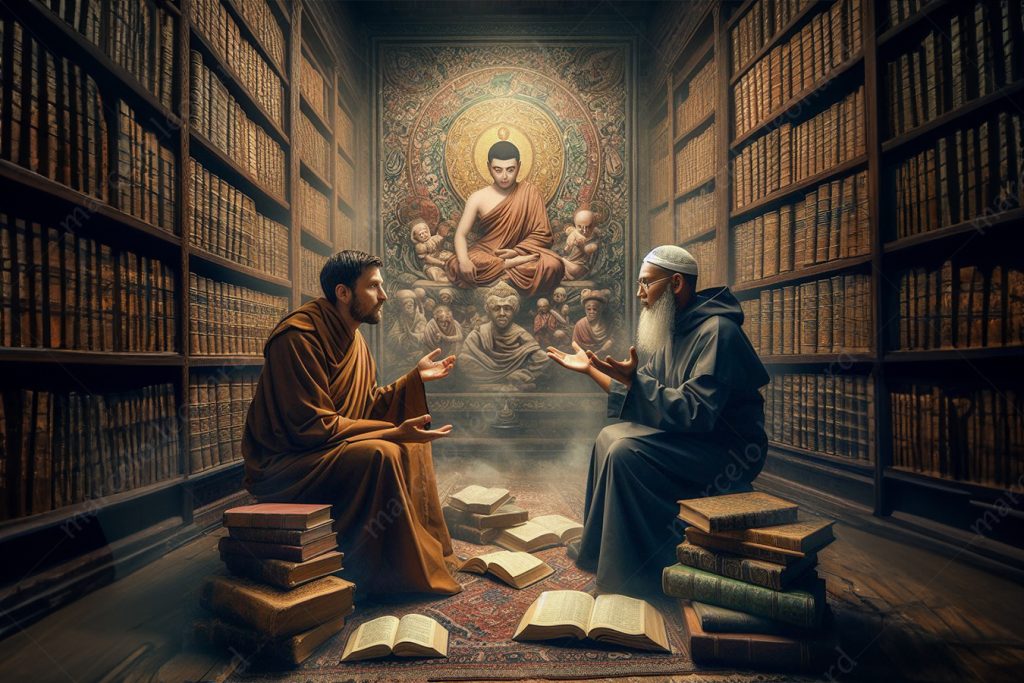
The Negative Influence of Religious, Magical, and Mystical Beliefs on an Artist’s Creative Process
Introduction
Artistic creation has been a fundamental channel throughout history for expressing the beliefs, values, and mythologies of diverse cultures. However, the coexistence between art and religious, magical, and mystical beliefs has not always been harmonious. When different streams of thought intertwine, conflicts inevitably arise, hindering genuine expression and artistic innovation. On numerous occasions, these influences have generated tensions and limitations that have restricted creative freedom and diversity in the artistic sphere.
Suppression of Individuality
One of the most obvious conflicts arises from the restrictions imposed on artistic expression by religious beliefs. Dogmatic doctrines often establish strict regulations regarding what is considered acceptable in terms of themes, images, and representations. Unconditional adherence to these predetermined symbols, themes, and narratives limits artists in exploring their unique perspectives and experiences, implying the suppression of individuality. Instead of fostering creativity, rigid doctrinal frameworks stifle innovation, resulting in repetitive and formulaic artworks lacking originality.
Sacrifice of Artistic Autonomy
Religious, magical, and mystical beliefs tend to prioritize conformity over creativity. Artists may feel compelled to strictly adhere to established iconography and rituals, thereby sacrificing their artistic autonomy. This pressure to conform to the established can lead to homogenized art lacking depth and emotional resonance, as artists prioritize meeting religious or mystical expectations rather than pursuing authentic expression. This situation can trigger self-censorship within the artistic community and result in conformist works that reflect only the dictates of the faith in question.
Limitations on Theme
These beliefs impose limitations on acceptable themes, censoring those deemed contrary to established doctrine. Artists may find themselves restricted by taboo subjects or prohibited images, hindering their ability to explore the full spectrum of human experience. As a result, art becomes sterilized and lacking in critical inquiry, failing to challenge social norms or provoke meaningful discourse.
Supernatural Dependency
Another detrimental aspect of these beliefs is the tendency to attribute artistic inspiration solely to supernatural sources. By attributing creative prowess to divine intervention or mystical/magical revelation, artists may overlook the importance of their own skill, intuition, and personal creative work. This dependency on external forces undermines confidence by fostering a sense of passivity rather than empowering artists to create their own artistic vision.
Conflict with Rational Inquiry
The emphasis on faith, mysticism, and magic often conflicts with rational inquiry and empirical observation, discouraging artists from critically engaging with their subject matter. Instead of questioning and interrogating their beliefs, artists may retreat into a realm of unquestioning devotion, hindering intellectual growth and artistic development. As a result, art may stagnate, failing to evolve in response to social, cultural, and philosophical changes.
Social Censorship and Self-Censorship
In addition to conflicts between different belief systems, society itself can play a censorial role over personal and creative interpretations in artistic creation. Works that challenge established norms or present alternative views of reality may face criticism and censorship from conservative or religious sectors of society. This type of censorship can curtail freedom of expression and limit the diversity of perspectives in art, as well as create a climate of self-censorship among artists who fear reprisals or negative criticism.
Conclusion
While religious, magical, and mystical beliefs have undoubtedly inspired impressive works of art throughout history, their influence on artistic creation is not without drawbacks. From stifling individuality and creativity to imposing limitations on themes, these beliefs can hinder the artistic process and inhibit innovation. To cultivate a more vibrant and diverse artistic landscape, it is essential for artists to embrace critical inquiry, challenge dogma, and assert their creative autonomy free from the constraints of rigid belief systems. In doing so, artists can unlock new realms of possibility and forge deeper connections with the audience on a profoundly human level.