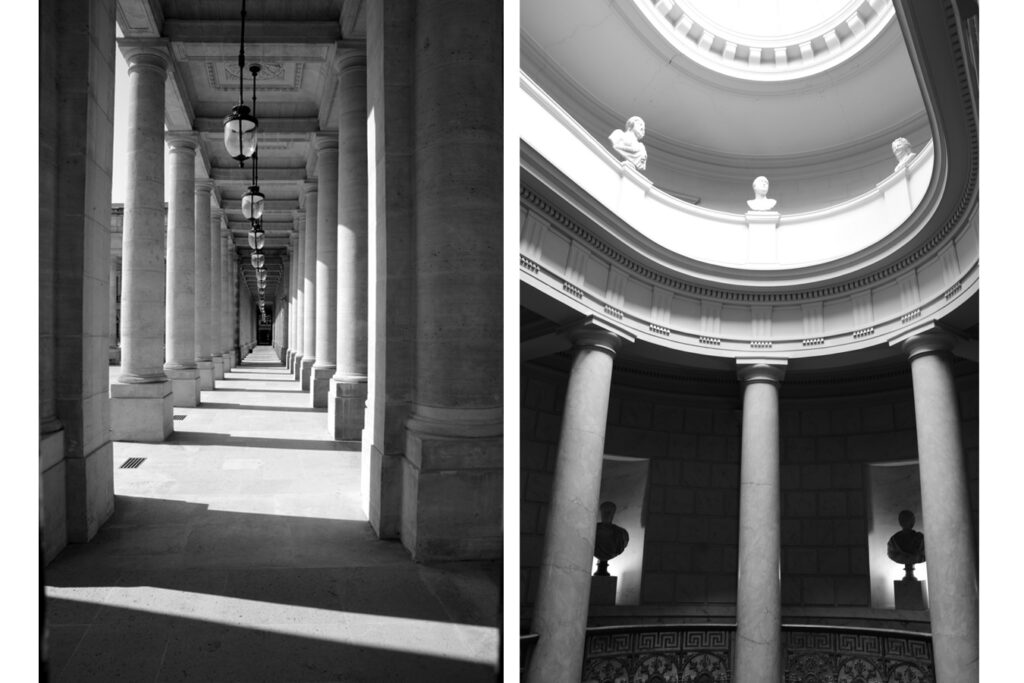
Photography has the power to amplify emotions, tell stories, and reveal worlds that might go unnoticed at first glance.
(The Spanish version of this interview is provided below the English version.)
All images by © Debora Magliaro Sanso, all right reserved. Do not use without the author’s written permission.
Introduction
Photography has the power to amplify emotions, tell stories, and reveal worlds that might go unnoticed at first glance. In this interview, we delve into the creative universe of Debora Magliaro Sanso, a visual artist who has masterfully built a unique narrative through images filled with symbolism, sensitivity, and mystery.
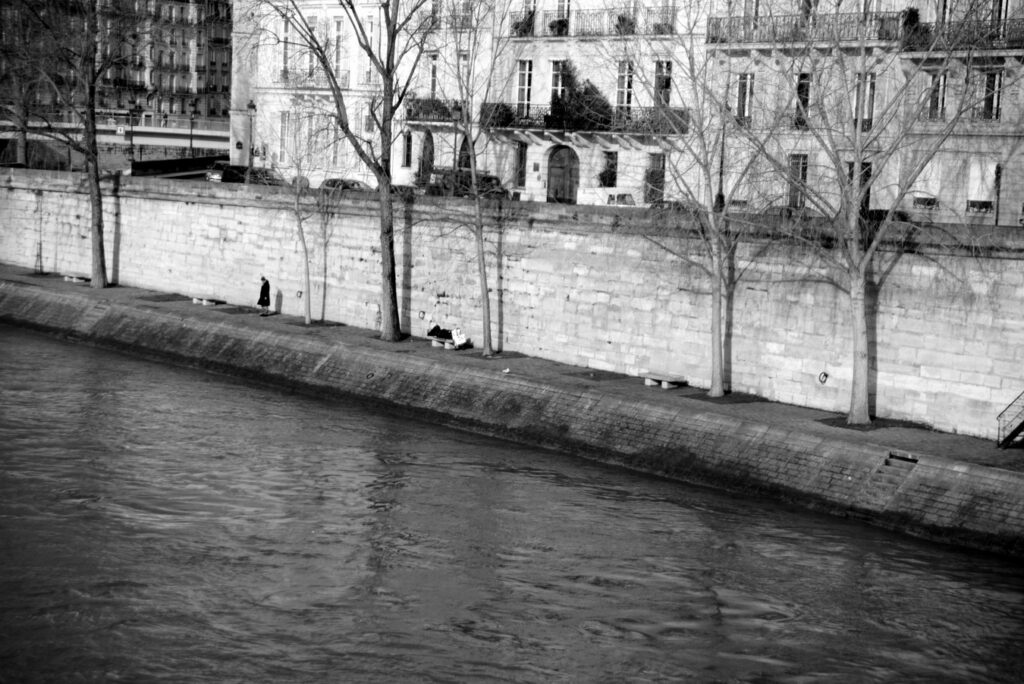
In a city where light seems to hold memories and the streets whisper stories, there are gazes that know how to stop time. Our guest today possesses one of those gazes. A black-and-white photographer, she has made Paris not just a backdrop but a character in her work. Her photography, rich in atmosphere, silence, and humanity, invites us to see the everyday with new eyes.
Today, we speak with her to explore the origins of her visual sensitivity, her influences, and the intimate message hidden behind every captured shadow.
Origin of the Gaze
Do you remember the first moment when an image spoke to you beyond the visible?
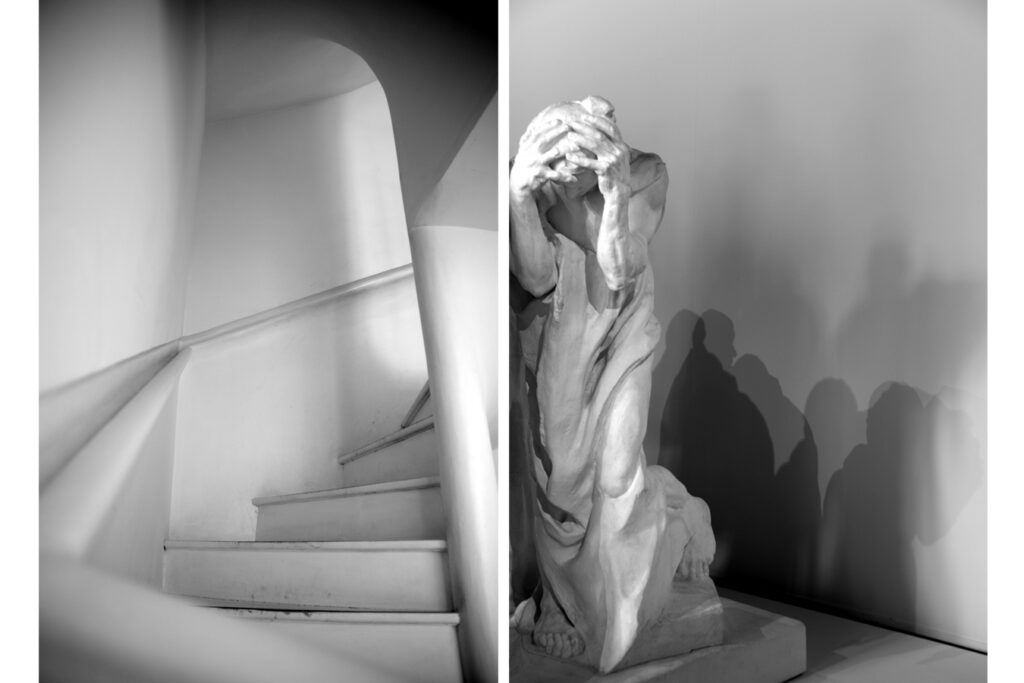
I honestly do not recall the first time. Over the years I have had the opportunity with travel and living here in Paris to experience so much art. I had been walking one day and spotted a small exhibition at a gallery here. It was the work of photographer Mario Giacomelli. The images,strong, his work where the young priests are playing in the snow, capturing something so simple, well I was speechless. There was a playfulness, innocence , the images really took me away. His images in black and white, display a strong contrast within the black and white frame. His work is brillant..
What led you to choose black and white as your way of telling the truth?
Black and white started for myself during the years of film. I would experiment with varied types of black and white film. I loved the contrast and textures it created as well as how the entire mood of an image changed.. When I started with digital and discovered the ability to shoot in black and white I was more than content. With digital there was the ability to not be locked into one shot (for a particular image) it allowed myself a freedom to play within the camera, see what happens. By working within the camera in black and white I am really able to capture an image as I really see it, my truth.
Did Paris find you, or did you choose it as your muse and stage?
I think it is safe to say that Paris found me. It took some time to get familiar, lots of life changes. As I started to explore the city, I started to embrace a feeling of comfort. Now we have gotten to know each other and are good friends. I enjoy her as both a muse and a stage. Of course we both have our moods.
What do you carry from childhood that you feel now lives in your photographs?
I have always been a very visual person and I absolutely loved watching old films, of course in black and white. While I watched varied genres of films I was (and still am) attracted to those that fit the realm of film noir. Film noir has a very distinct look and feel, mysterious with great mood. The cinematography of film noir is usually strong and impressive and it goes beyond the actual storyline. I also remember watching classic films with my grandmother (she would be babysitting) and she would tell me all about the actors and details of the films. I still adore and continue to watch classic black and white films, that will never change.
Invisible Inheritances
Which artists have been,or still are, a source of inspiration for you?
I am not directly inspired, I would say I am indirectly inspired. I find myself usually connecting with a specific work, though Man Ray does speak rather loudly to me. I love discovering someone I am unfamiliar with, where there is a connection, where I study a particular piece as it feeds my curiousity. The inspiration for myself is embracing new ideas within something I have just seen, though never directly or intentional. There is an importance for myself to keep my own personal style within my images.
Does inspiration from other arts, a line from a poem, a scene from a film, a lyric, find its way into your photography?
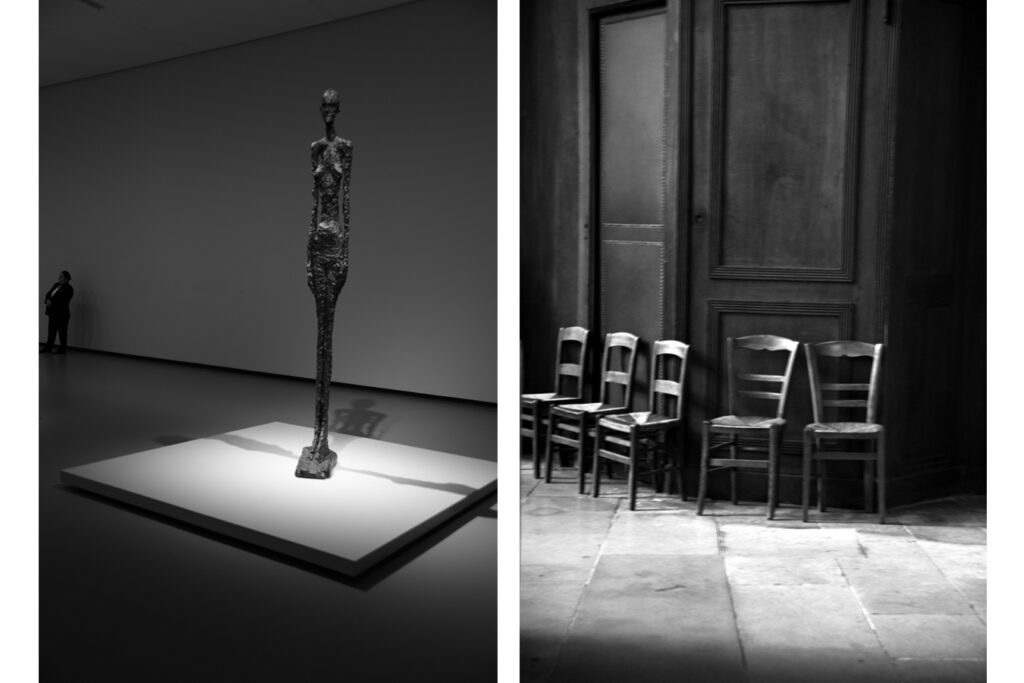
There are actually a couple of films that are always etched in my mind , “Carnival of Souls” and “The Trial”, their original versions. Both of these films have unusual visual elements and moods that often I connect with. As well as uniquely expressive cinematography. These films inspire a symbolism of the surreal for myself that I often seek out within my images. I never try to duplicate an exact visual within any one of the films. As they are inspirational and offer an almost spiritual connection which I interpret.
Is there an image by someone else that feels as if it belongs to you, as if you might have dreamed it?
Interesting question. I think, and perhaps a bit of a cliche, some of the images within Paris by Henri Cartier-Bresson. When I look at his work I can see and feel myself within as I see so many familiar places and scenes. I feel as if I can almost touch them in the physical sense as if I am within the frame. I can find myself getting lost in his visual world of Paris.
How does your work coexist with the photographic tradition of Paris, a city so often portrayed and yet still full of secrets?
I think generally we coexist though at times with a twist. Black and white does allow myself to capture an almost classic look and feel within certain images (of course my way). For these particular images I prefer overcast days – dark and grey – even a bit cold (I love January here) . It reminds me of Paris as captured in old photographs but always keeping within my personal style. And then there are the secrets, yet my personal secrets I feel here in Paris. They are discoveries on how I see and feel Paris, a different level, secret connections that I explore. These secrets reveal perhaps a bit about myself and how I coexist here as an outsider looking in. Varied versions within the same city, but that is the beauty of Paris, an embrace for creative expression.
The City and the Silence
What does your eye seek as you walk through Paris with your camera in hand?
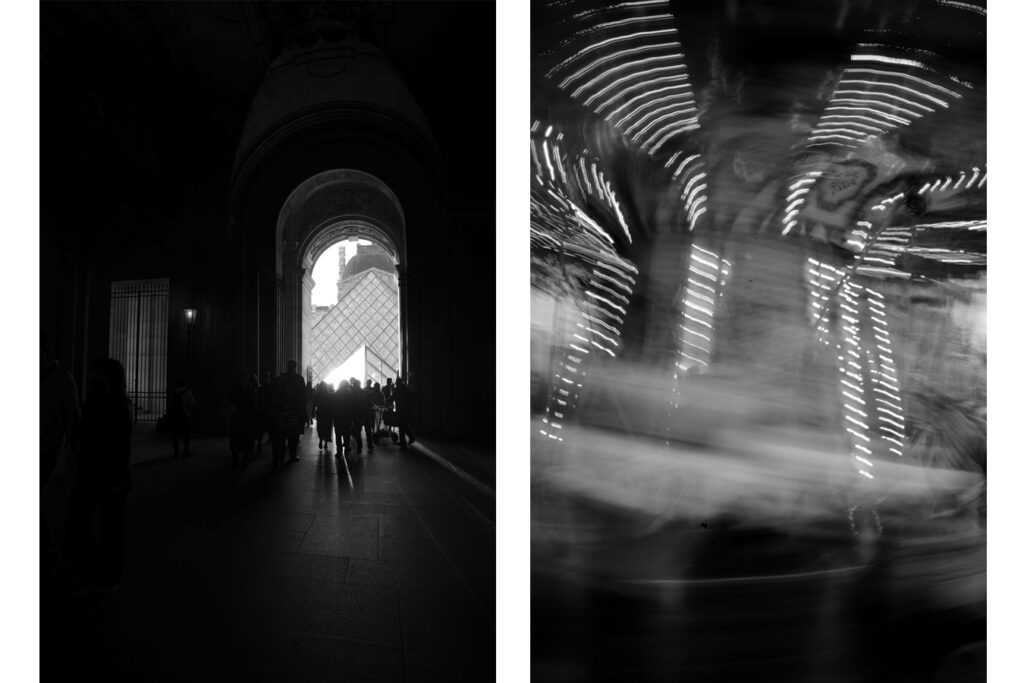
I always seek out varied elements or objects or even a scenario and the more unusual the better. I will walk and constantly look in all directions. Searching for something that strikes me. It almost feels a bit hyper because it may not be something obvious or in plain sight. I seek beyond, feeling the surroundings. Pulling in little pieces, left, right, up, down, stepping back or closer, once I feel it is all there and I am satisfied I proceed to capture the image. It all is a process of sorts that is more than just the eye (my eye).
Is there an emotion you repeat, consciously or not, in your images?
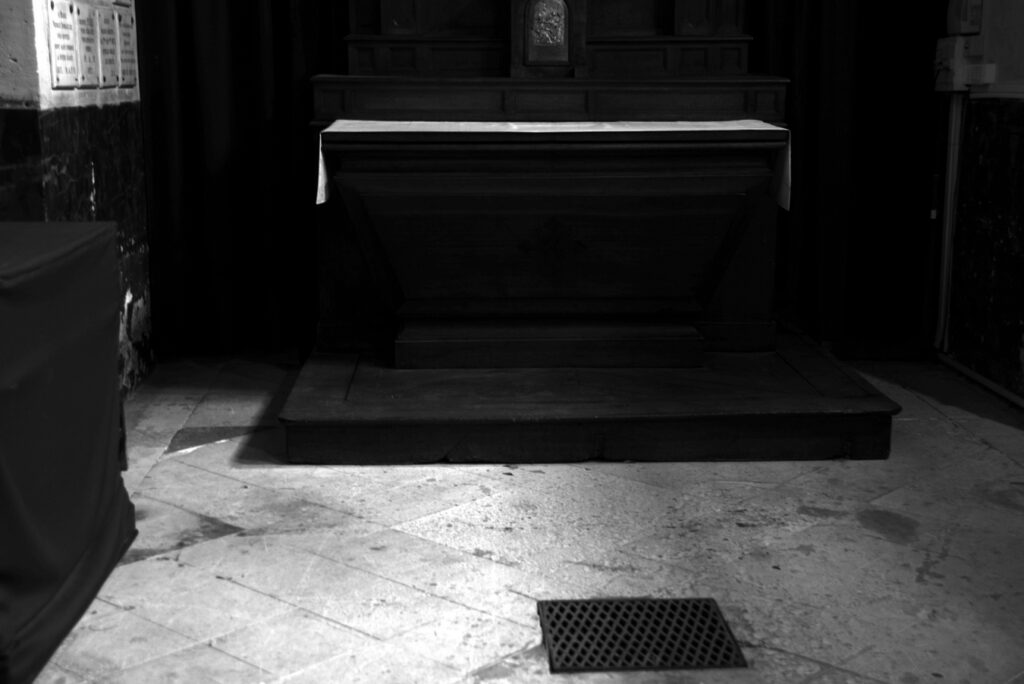
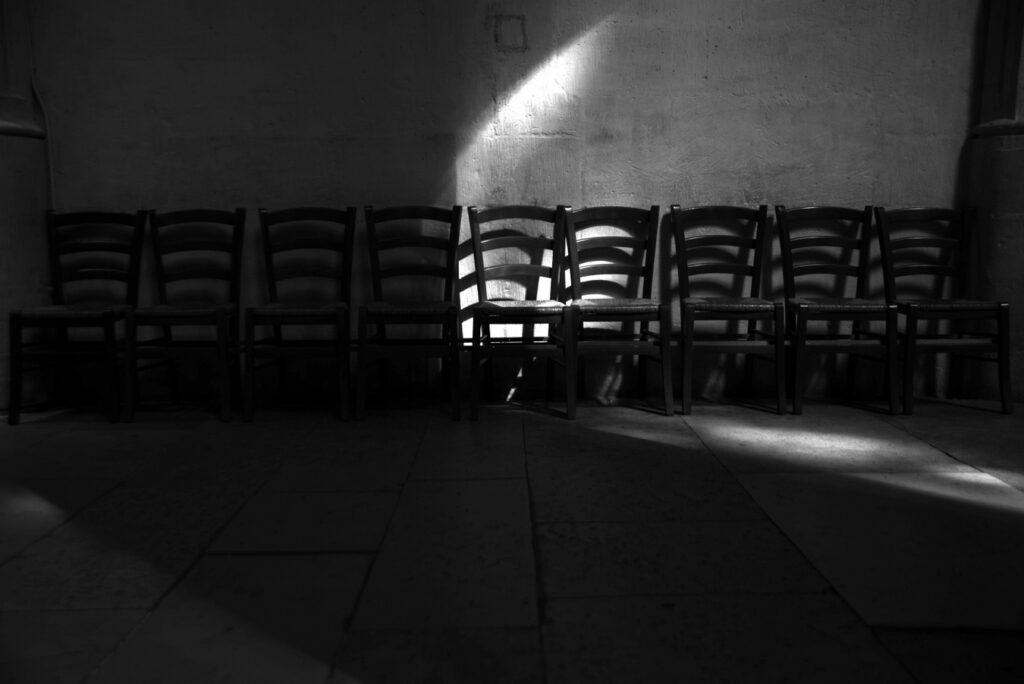
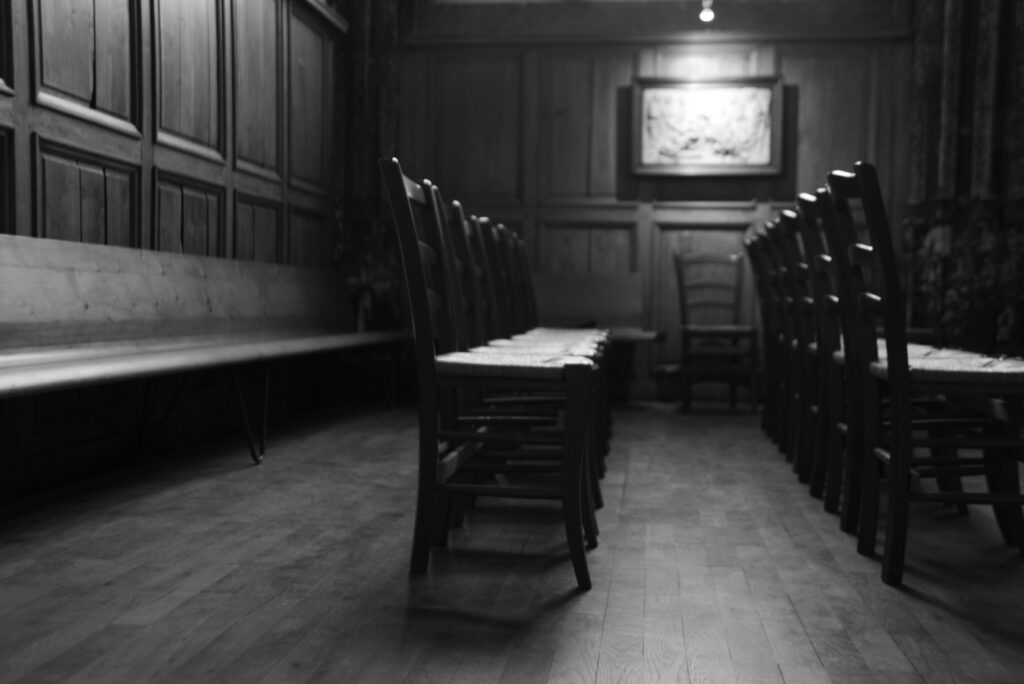
I do think subconsciously the emotion of emptiness is a strong visual captured within my images. I tend to seek out an unusual emptiness, almost silence, no one around, no one watching, as if no one can see me, even though they are right there next to me. I do not like crowds, though at times I find myself deep within. Even within a crowd I will search for that emptiness, a visual escape, as if I am alone.
Do you choose your scenes or do they choose you, as if something wants to be told?
I think they mostly choose me. As I wander about I may have an idea within my head, an internal visual. When I approach the scene, at that moment in viewing, it then decides whether or not it chooses to be told. If the visual makes the choice of not wanting to be told, that means the image will not work for myself. The choice as it is, is a connection, a feeling – that will warrant itself. It is almost as if it is an out of body experience – the choice is looking over and making that decision will the story be told or not.
What role does chance play in your creative process?
Chance is very important. There needs to be a strong driven curiosity in order to make that image happen, the need to take a chance. There is adventure in chance, sometimes even risk. There are times if there is something and I was unable to get it the first time out, I will go back and see if I can get it, taking that chance again. Chance can offer rewards, new discoveries, finding something unexpected where taking that chance pays off. You never want to look back and think what if.
The Truth of Black and White
What can you express in black and white that colour perhaps prevents?
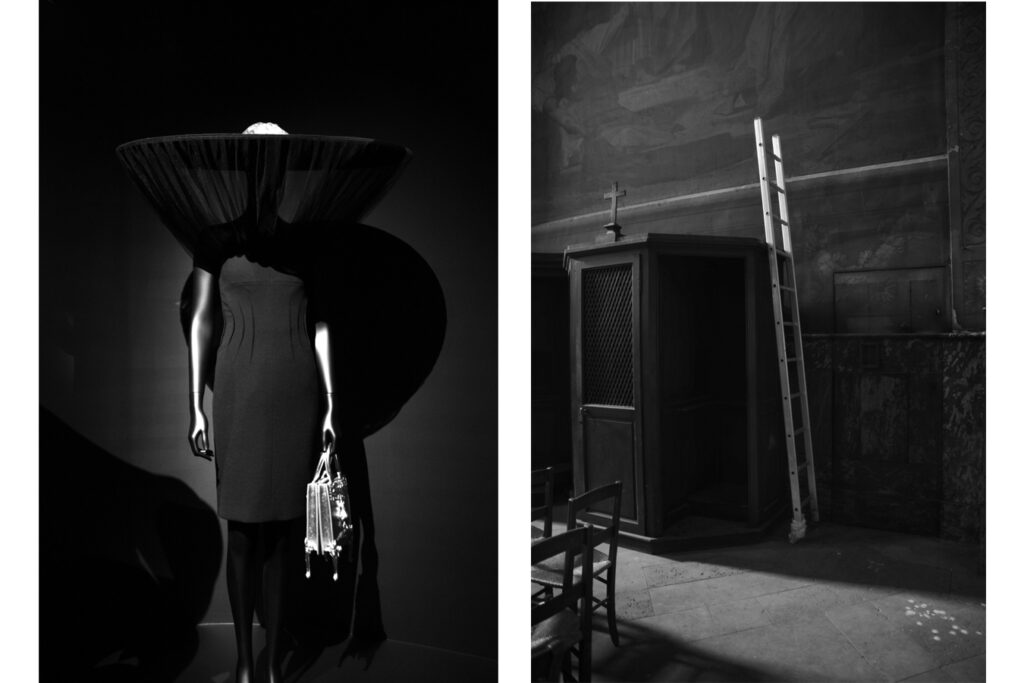
Black and white allows myself to really be true to how I visualize my surroundings. I almost see in black and white, if that makes sense. There is a certain mood that black and white freely expresses for myself. Black and white is dynamic and impressive. It is a contrasting opposition that color (for myself) just does not seem to fit within my realm of visualization.
What role do silence, shadow, and absence play in your way of seeing?
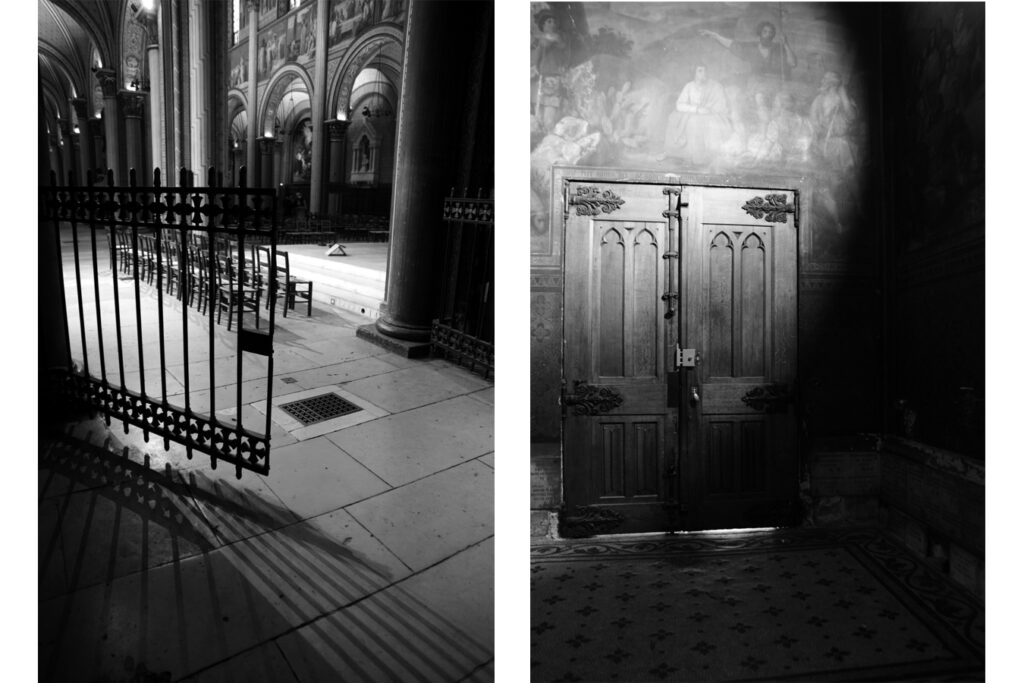
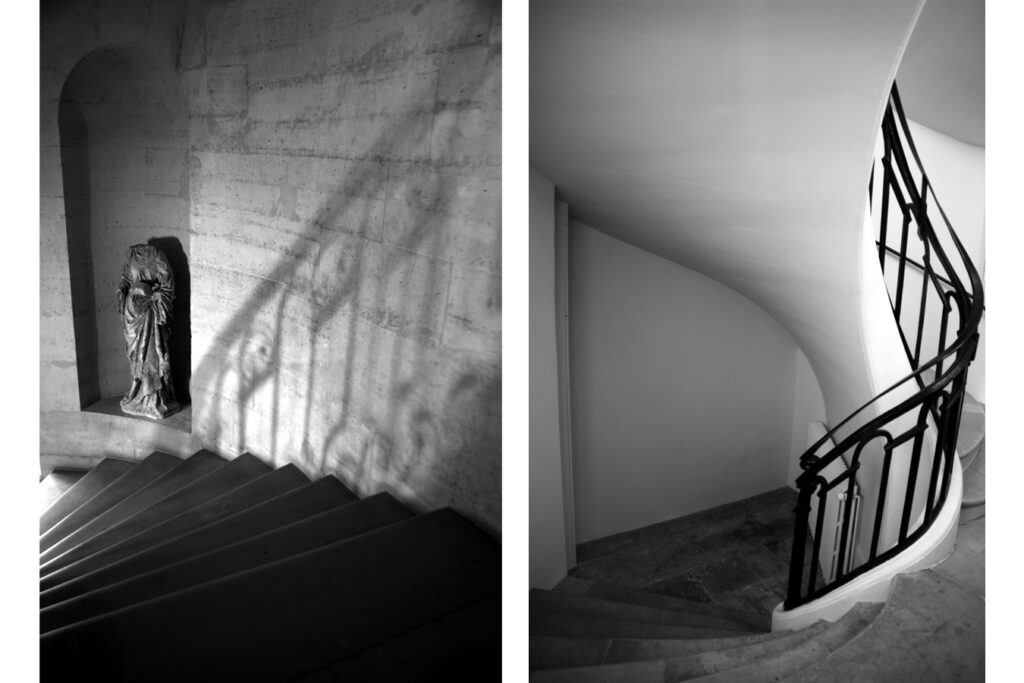
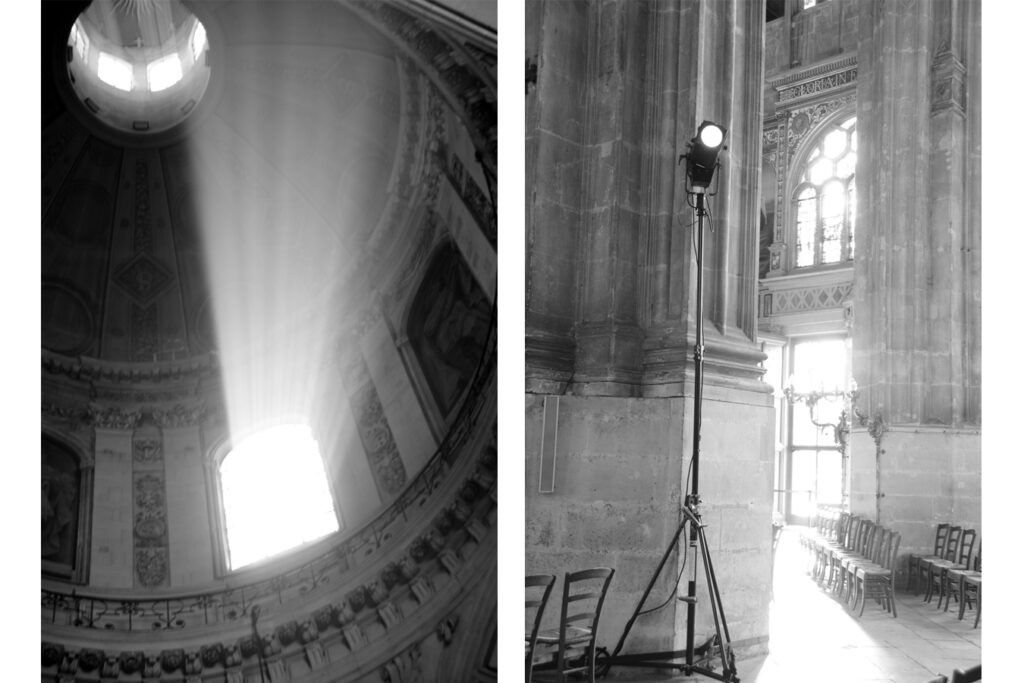
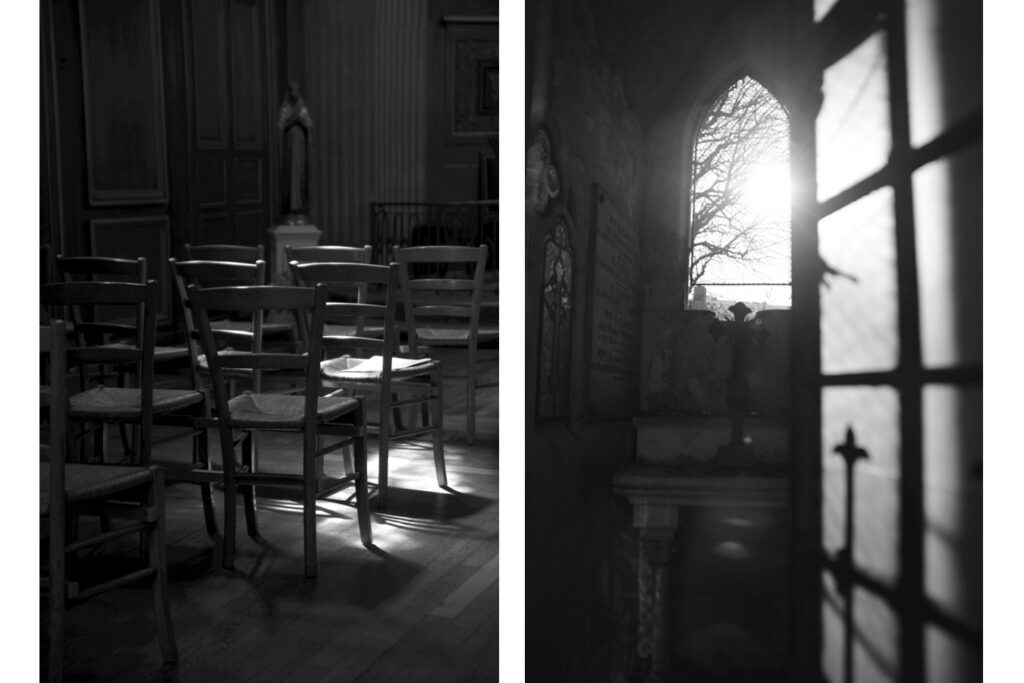
They play a very important factor, especially shadow as it does lead my visual path at times. A shadow is silent and offers an absence of substance, its visual meaning is interpretive. The three are harmonious and can often create a unique visual story together.
Have you ever felt that colour distracts from what is essential?
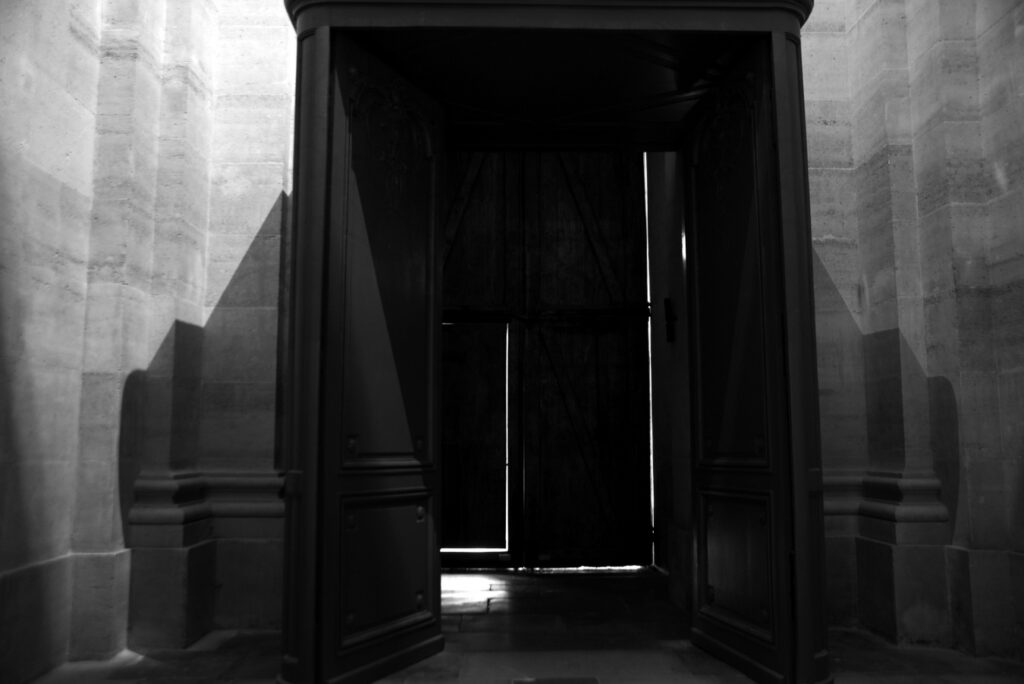
Answer: For my eye color can take something away. This is not to say that color does not work, it just emits a different visualization. I feel black and white allow a focus that can lead ones eye directly to what is essential within the frame. The stark contrast – white against black, or black against white, they are precise and exact – there are no distracting factors. Honestly it is all about ones personal visualization.
The Intention Behind the Shot
What do you hope someone feels when they pause in front of one of your images?
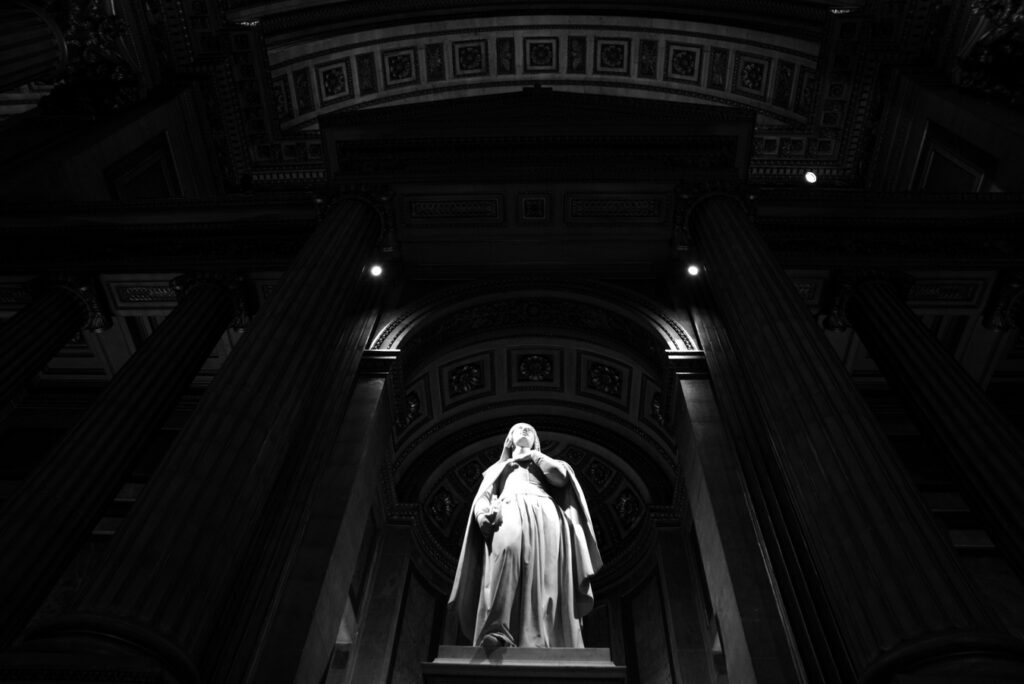
I hope that they do not just see something in the literal sense. I want them to go beyond just looking at the obvious. I want them to connect and feel. To go deep within the image, discover something not so obvious or even hidden (maybe even something hidden that I had not seen myself). It is about discovery and I want them to interpret for themselves, not be told. Sometimes an artist marks a work as “untitled”, I feel this can allow the viewer to really insert themselves where they form their own personal meaning and interpretation.
Are your photographs born of wonder, nostalgia, searching… or all of that at once?
I think mostly searching. Sometimes I feel I am searching for something, though not in the literal sense. It is almost as if I am searching for some sort of connection to something which I am just not quite sure what that something is. I know this sounds odd. Sometimes I can be just walking aimlessly, not knowing the direction to take. There always seems to be some sort of search.
Is there a hidden message beneath your frames, something only the soul can catch when looking with time?
I never have any intended messages both obvious or hidden. Photography is art, and art is interpretive. I like when someone expresses their personal interpretation of an image, that means they are connecting at a deeper level. That deeper level opens one’s soul, allowing them to explore within the image and let them get from it however they choose.
Do you feel your view of Paris has changed, or is it Paris that changes through your eyes?
I think a little bit of both. I feel for myself this all came about during Covid. The city was empty, no one was around, you could really see and feel the city. The emptiness allowed you to experience Paris at a different level where its past history and stories were almost alive. She was calm and quiet as well as eye opening. It was not all pretty, there were disturbing harsh realities. It was a real Paris. All of this has allowed growth within my personal visual journey and allowed myself a wonderful sense of creative freedom along with a stronger connection to the city.
Echoes in the Contemporary
In times when an image travels faster than a word, how do you experience the presence of your photographs on social media? Do you feel that virtual space amplifies the echo of your work or dilutes its silence?
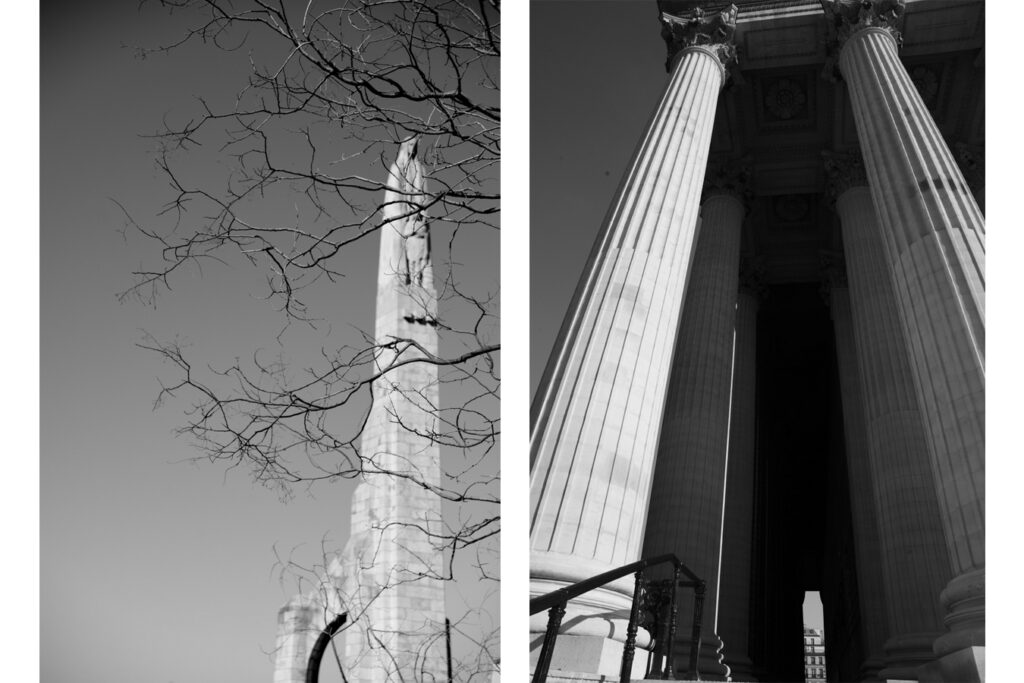
Social media as we all know changed the game of photography. The positive is that now we can reach so many more as well as make some wonderful new connections. The negative is that there is an oversaturation of images. At times we can feel lost, like being lost in space, millions are looking but no one is there. That silence can be deafening. The importance is that I do not let any of the dilution take away from myself and my creativity.
Final Lights
What advice would you give someone who wants to listen to the world through light and shadow?
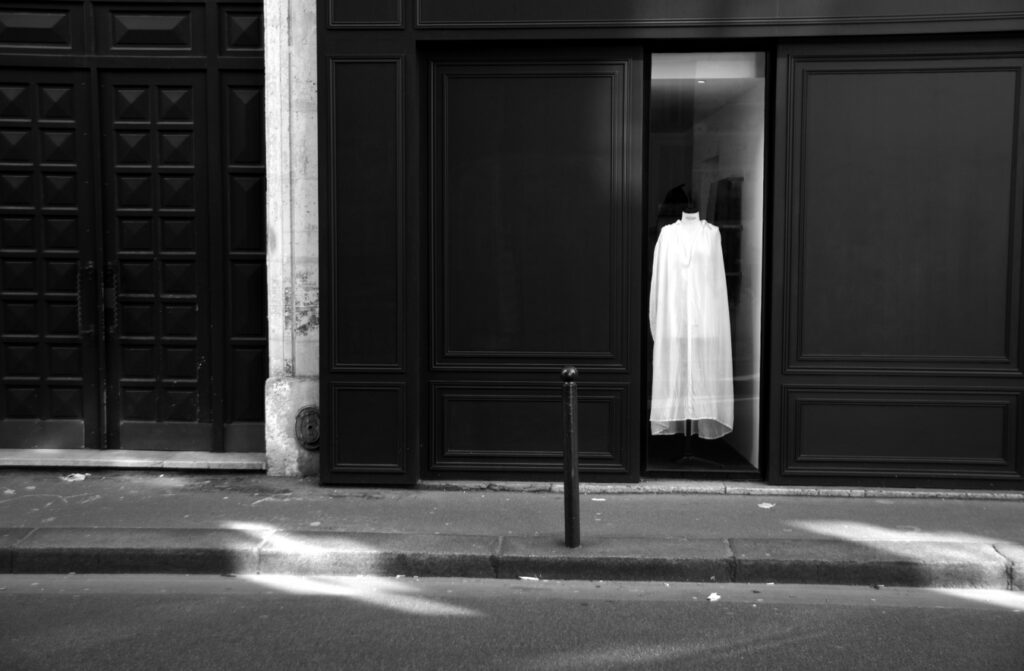
To look at light in a different perspective. Light is the creative within them both as it gives us shadow. Light leads us to shadow. When there is shadow, at that moment we stop and search for the direction of light. You can move in direction and shadow changes, but light as a directive remains the same. I think if one can come to terms with understanding their relationship, it becomes easier to hear them both playing together.
Is there an image you haven’t captured yet, but you know it’s waiting for you in some corner?
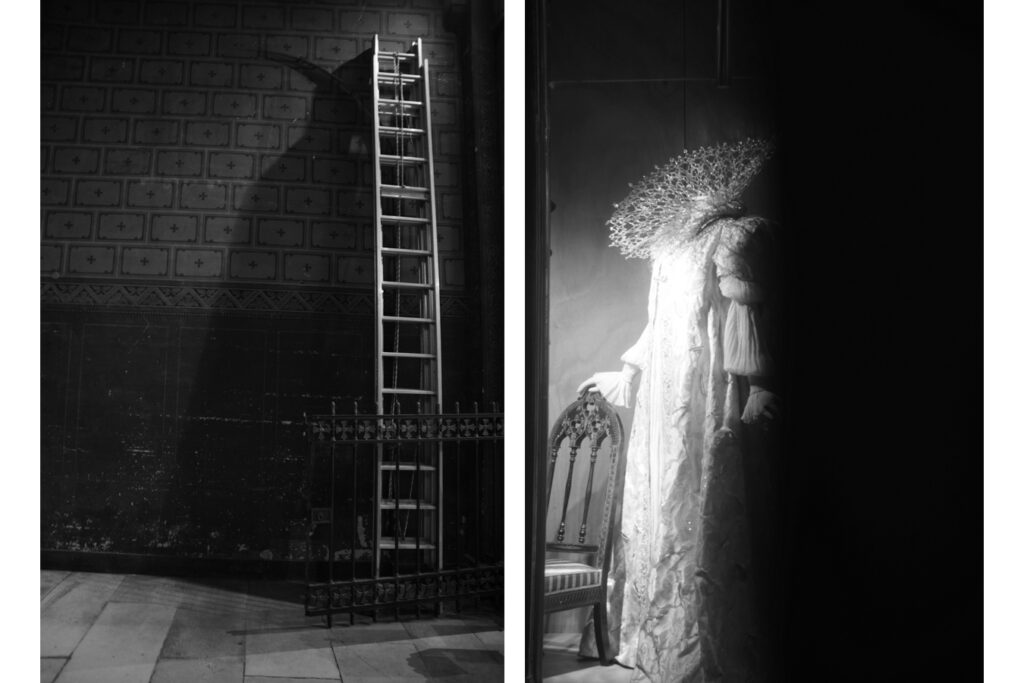
Absolutely! It is a little bit of a secret (the actual spot). I spotted this particular spot a few years ago. Unfortunately there is a gate and a sign of no admittance. What I am able to see beyond the gate has piqued my curiousity. The ability to get behind the gate and capture my curiousity is about the right moment. I will get in there, it is all about the right time and a little bit of negotiation.
What has been the hardest photograph to take, not technically, but emotionally?
No one specific image comes to mind, but there are moments that I can be overcome with emotions. It is almost a spiritual experience, where honestly I cannot explain it. These emotions may influence a particular image that I am capturing, giving me a very different perspective on what I am trying to capture. I will and do embrace these emotions as they are there with me even perhaps allowing myself to really see beyond the obvious.
Closing
Your work reminds us that the essential is not always found in color, but in light, form, and the moment. Through your photographs, Paris ceases to be a cliché and becomes pure emotion, living nostalgia, asphalt poetry.
Thank you for opening the door to your vision. May you continue to find beauty in the corners and silence amidst the noise. And may we keep learning to see, a little better, thanks to you.
Versión en Español
Todas la imágenes © Debora Magliaro Sanso, todos los derechos reservados. No utilizar sin autorización escrita.
Introducción
La Fotografía tiene el poder de amplificar emociones, contar historias y revelar mundos que a simple vista podrían pasar desapercibidos. En esta entrevista, nos adentramos en el universo creativo de Debora Magliaro Sanso, una artista visual que ha sabido construir una narrativa propia a través de imágenes cargadas de simbolismo, sensibilidad y misterio.
En una ciudad donde la luz parece tener memoria y las calles susurran historias, hay miradas que saben detener el tiempo. La de nuestra invitada de hoy es una de ellas. Fotógrafa del blanco y negro, ha hecho de París no solo un escenario, sino un personaje más en sus imágenes. Su obra, cargada de atmósferas, silencio y humanidad, nos invita a mirar lo cotidiano con otros ojos.
Hoy conversamos con ella para conocer los orígenes de su sensibilidad visual, sus referentes, y el mensaje íntimo que se esconde detrás de cada sombra capturada.
Origen de la Mirada
¿Recuerdas el primer momento en que una imagen te habló más allá de lo visible?
Honestamente no recuerdo la primera vez. A lo largo de los años he tenido la oportunidad, con los viajes y viviendo aquí en París, de experimentar mucho arte. Un día iba caminando y vi una pequeña exposición en una galería. Era la obra del fotógrafo Mario Giacomelli. Las imágenes poderosas, su trabajo donde los jóvenes sacerdotes juegan en la nieve, capturando algo tan simple, me dejó sin palabras. Había un aire de juego, de inocencia, las imágenes realmente me transportaron. Sus fotos en blanco y negro muestran un fuerte contraste dentro del marco. Su obra es brillante.
¿Qué te llevó a elegir el blanco y negro como tu forma de contar la verdad?
El blanco y negro comenzó para mí en los años de la película analógica. Solía experimentar con diferentes tipos de película en blanco y negro. Me encantaba el contraste y las texturas que creaba, así como el modo en que cambiaba por completo el ambiente de una imagen. Cuando empecé a usar lo digital y descubrí la posibilidad de fotografiar en blanco y negro, me sentí más que satisfecho. Lo digital me daba la libertad de no estar limitado a una sola toma, permitiéndome jugar dentro de la cámara, ver qué pasa. Trabajando así, realmente puedo capturar una imagen como la veo, mi verdad.
¿París te encontró a ti, o la elegiste como musa y escenario?
Creo que es seguro decir que París me encontró a mí. Me tomó tiempo familiarizarme, hubo muchos cambios de vida. Al comenzar a explorar la ciudad, empecé a sentir una especie de comodidad. Ahora nos conocemos bien y somos buenos amigos. La disfruto como musa y como escenario. Claro, ambas tenemos nuestros estados de ánimo.
¿Qué llevas de la infancia que sientes que vive ahora en tus fotografías?
Siempre he sido una persona muy visual y absolutamente amaba ver películas antiguas, por supuesto en blanco y negro. Aunque veía distintos géneros, me atraía (y aún me atrae) especialmente el cine noir. El cine noir tiene un aspecto y una sensación muy distintivos, misteriosos, con un gran ambiente. La cinematografía suele ser fuerte e impresionante y va más allá de la historia. También recuerdo ver películas clásicas con mi abuela (cuando me cuidaba) y ella me contaba todo sobre los actores y los detalles. Aún adoro y sigo viendo películas clásicas en blanco y negro, eso nunca cambiará.
Herencias Invisibles
¿Qué artistas han sido, o siguen siendo, fuente de inspiración para ti?
No me inspiro directamente, diría que lo hago indirectamente. Suelo conectar con una obra específica, aunque Man Ray realmente resuena conmigo. Me encanta descubrir a alguien desconocido para mí, donde hay una conexión, estudiar una pieza en particular que alimente mi curiosidad. La inspiración para mí está en abrazar nuevas ideas dentro de algo que acabo de ver, aunque nunca es directa o intencionada. Para mí es importante mantener mi estilo personal en mis imágenes.
¿Encuentras inspiración en otras artes, un verso de un poema, una escena de una película, una letra?
Hay un par de películas que siempre están grabadas en mi mente , “Carnival of Souls” y “The Trial”, en sus versiones originales. Ambas tienen elementos visuales y atmósferas inusuales con los que suelo conectar. Además de una cinematografía expresiva y única. Estas películas inspiran en mí un simbolismo surrealista que suelo buscar en mis imágenes. Nunca intento duplicar exactamente una imagen de alguna de estas películas, pero son fuente de inspiración y me ofrecen una conexión casi espiritual que interpreto a mi manera.
¿Hay una imagen de otra persona que sientas como si fuera tuya, como si la hubieras soñado?
Interesante pregunta. Creo, y quizás es un poco cliché, que algunas de las imágenes de París de Henri Cartier-Bresson. Cuando veo su trabajo, puedo verme y sentirme dentro, ya que reconozco muchos lugares y escenas. Siento que casi puedo tocarlos, como si estuviera dentro del encuadre. Puedo perderme en su mundo visual de París.
¿Cómo convive tu obra con la tradición fotográfica de París, una ciudad tan retratada y aún llena de secretos?
Creo que generalmente convivimos, aunque a veces con un giro. El blanco y negro me permite capturar una apariencia casi clásica (a mi manera). Para estas imágenes prefiero días nublados, oscuros y grises — incluso un poco fríos (me encanta enero aquí). Me recuerda a la París de las viejas fotografías, pero siempre dentro de mi estilo personal. Y luego están los secretos, mis propios secretos aquí en París. Son descubrimientos sobre cómo veo y siento la ciudad, en un nivel distinto, conexiones secretas que exploro. Estos secretos tal vez revelan un poco sobre mí y cómo coexisto aquí como alguien que observa desde afuera. Distintas versiones dentro de una misma ciudad, pero esa es la belleza de París, un abrazo a la expresión creativa.
La Ciudad y el Silencio
¿Qué busca tu ojo cuando caminas por París con la cámara en la mano?
Siempre busco elementos, objetos o incluso escenarios variados y cuanto más inusuales, mejor. Camino mirando constantemente en todas direcciones. Buscando algo que me impacte. Es casi una sensación hiperactiva porque puede no ser algo obvio. Busco más allá, siento el entorno. Recojo pequeños fragmentos, izquierda, derecha, arriba, abajo, retrocedo o me acerco, cuando siento que todo está ahí y estoy satisfecho, capturo la imagen. Es un proceso que va más allá del ojo (mi ojo).
¿Hay una emoción que repites, consciente o inconscientemente, en tus imágenes?
Creo que, inconscientemente, la emoción del vacío es una presencia visual muy fuerte en mis imágenes. Suelo buscar un vacío inusual, casi un silencio, sin nadie alrededor, como si nadie pudiera verme, aunque estén justo a mi lado. No me gustan las multitudes, aunque a veces me encuentro en medio de una. Incluso en una multitud, busco ese vacío, una escapatoria visual, como si estuviera solo.
¿Eliges tus escenas o ellas te eligen a ti, como si algo quisiera ser contado?
Creo que la mayoría me elige a mí. Mientras deambulo, puedo tener una idea visual interna. Cuando me acerco a la escena, en ese momento de observación, es cuando se decide si quiere ser contada o no. Si no quiere ser contada, esa imagen no funcionará para mí. Es una conexión, un sentimiento , una experiencia casi extracorpora, es la escena la que decide si se contará o no.
¿Qué papel juega el azar en tu proceso creativo?
El azar es muy importante. Se necesita una fuerte curiosidad para hacer que esa imagen suceda, la necesidad de arriesgarse. Hay aventura en el azar, a veces incluso riesgo. Hay momentos en los que si algo no lo consigo la primera vez, volveré para intentarlo de nuevo, tomar ese riesgo otra vez. El azar puede ofrecer recompensas, descubrimientos nuevos, encontrar algo inesperado donde arriesgarse valió la pena. Nunca querrás mirar atrás y pensar “¿y si…?”.
La Verdad del Blanco y Negro
¿Qué puedes expresar en blanco y negro que tal vez el color impide?
El blanco y negro me permite ser fiel a cómo visualizo mi entorno. Casi veo en blanco y negro, si eso tiene sentido. Hay cierto estado de ánimo que el blanco y negro expresa libremente para mí. Es dinámico e impresionante. Es una oposición contrastante que el color (para mí) simplemente no encaja en mi forma de visualizar.<
¿Qué papel juegan el silencio, la sombra y la ausencia en tu forma de ver?
Juegan un papel muy importante, especialmente la sombra, ya que a veces guía mi camino visual. Una sombra es silenciosa y ofrece una ausencia de sustancia; su significado visual es interpretativo. Los tres son armónicos y a menudo crean una historia visual única juntos.
¿Alguna vez has sentido que el color distrae de lo esencial?
Para mi ojo, el color puede restar algo. No digo que el color no funcione, simplemente transmite una visualización distinta. Siento que el blanco y negro permite un enfoque que dirige la mirada directamente hacia lo esencial en el encuadre. El fuerte contraste — blanco contra negro o negro contra blanco — es preciso y exacto. No hay factores que distraigan. Honestamente, se trata de la visualización personal de cada uno.
La Intención Detrás de la Toma
¿Qué esperas que sienta alguien al detenerse frente a una de tus imágenes?
Espero que no solo vean algo en el sentido literal. Quiero que vayan más allá de lo obvio. Quiero que conecten y sientan. Que profundicen en la imagen, descubran algo no tan evidente o incluso oculto (quizás algo que ni yo mismo había notado). Se trata del descubrimiento, y quiero que lo interpreten por sí mismos, no que se les diga qué ver. A veces un artista titula una obra como “Sin título”, siento que eso permite al espectador insertarse y formar su propio significado personal.
¿Tus fotografías nacen de la maravilla, la nostalgia, la búsqueda… o todo a la vez?
Creo que principalmente de la búsqueda. A veces siento que estoy buscando algo, aunque no en sentido literal. Es como si buscara algún tipo de conexión con algo, pero no sé exactamente qué es ese algo. Sé que suena extraño. A veces camino sin rumbo, sin saber qué dirección tomar. Siempre parece haber una especie de búsqueda.
¿Hay un mensaje oculto bajo tus encuadres, algo que solo el alma pueda captar con el tiempo?
Nunca tengo mensajes intencionados, ni evidentes ni ocultos. La fotografía es arte, y el arte es interpretativo. Me gusta cuando alguien expresa su interpretación personal de una imagen, eso significa que está conectando a un nivel más profundo. Ese nivel abre el alma y permite que se exploren dentro de la imagen, llevándose de ella lo que elijan.
¿Sientes que tu visión de París ha cambiado, o es París la que cambia a través de tus ojos?
Creo que un poco de ambas cosas. Siento que todo esto surgió durante el Covid. La ciudad estaba vacía, no había nadie, realmente podías ver y sentir París. El vacío te permitía experimentarla en un nivel diferente, donde su historia y sus relatos parecían estar vivos. Estaba tranquila y silenciosa, pero también reveladora. No todo era bonito, había duras realidades. Era una París real. Todo esto ha permitido un crecimiento en mi viaje visual personal y me ha dado una maravillosa libertad creativa junto con una conexión más fuerte con la ciudad.
Ecos en lo Contemporáneo
En una época donde una imagen viaja más rápido que una palabra, ¿cómo vives la presencia de tus fotografías en las redes sociales? ¿Sientes que ese espacio virtual amplifica el eco de tu obra o diluye su silencio?
Las redes sociales, como todos sabemos, cambiaron el juego de la fotografía. Lo positivo es que ahora podemos llegar a muchas más personas y hacer conexiones maravillosas. Lo negativo es la sobresaturación de imágenes. A veces uno puede sentirse perdido, como flotando en el espacio, millones miran pero nadie está ahí. Ese silencio puede ser ensordecedor. Lo importante es no dejar que esa dilución afecte mi creatividad.
Luces Finales
¿Qué consejo le darías a alguien que quiera escuchar al mundo a través de la luz y la sombra?
Que mire la luz desde una perspectiva diferente. La luz es la creativa entre ambas porque nos da la sombra. La luz nos guía hacia la sombra. Cuando hay sombra, en ese momento buscamos la dirección de la luz. Puedes moverte y la sombra cambia, pero la luz como directriz permanece. Creo que si uno logra entender esa relación, se vuelve más fácil escucharlas jugando juntas.
¿Hay una imagen que aún no has capturado, pero sabes que te espera en alguna esquina?
¡Absolutamente! Es un pequeño secreto (el lugar exacto). Descubrí ese lugar hace unos años. Lamentablemente hay una reja y un cartel de prohibido el paso. Lo que alcanzo a ver más allá me tiene intrigado. Poder entrar y capturar lo que me despierta curiosidad depende del momento adecuado. Lo lograré, todo se trata del momento justo y un poco de negociación.
¿Cuál ha sido la fotografía más difícil de tomar, no técnicamente, sino emocionalmente?
No tengo una imagen específica en mente, pero hay momentos en los que me abruman las emociones. Es casi una experiencia espiritual, que honestamente no puedo explicar. Estas emociones pueden influir en una imagen en particular que esté capturando, dándome una perspectiva completamente distinta. Acepto esas emociones porque están ahí conmigo, incluso quizás permitiéndome ver más allá de lo evidente.
Cierre
Tu obra nos recuerda que lo esencial no siempre está en el color, sino en la luz, la forma y el instante. A través de tus fotografías, París deja de ser un cliché para volverse emoción pura, nostalgia viva, poesía de asfalto.
Gracias por abrirnos la puerta a tu mirada. Que sigas encontrando belleza en las esquinas y silencio en medio del ruido. Y que nosotros sigamos aprendiendo a ver, un poco mejor, gracias a ti.