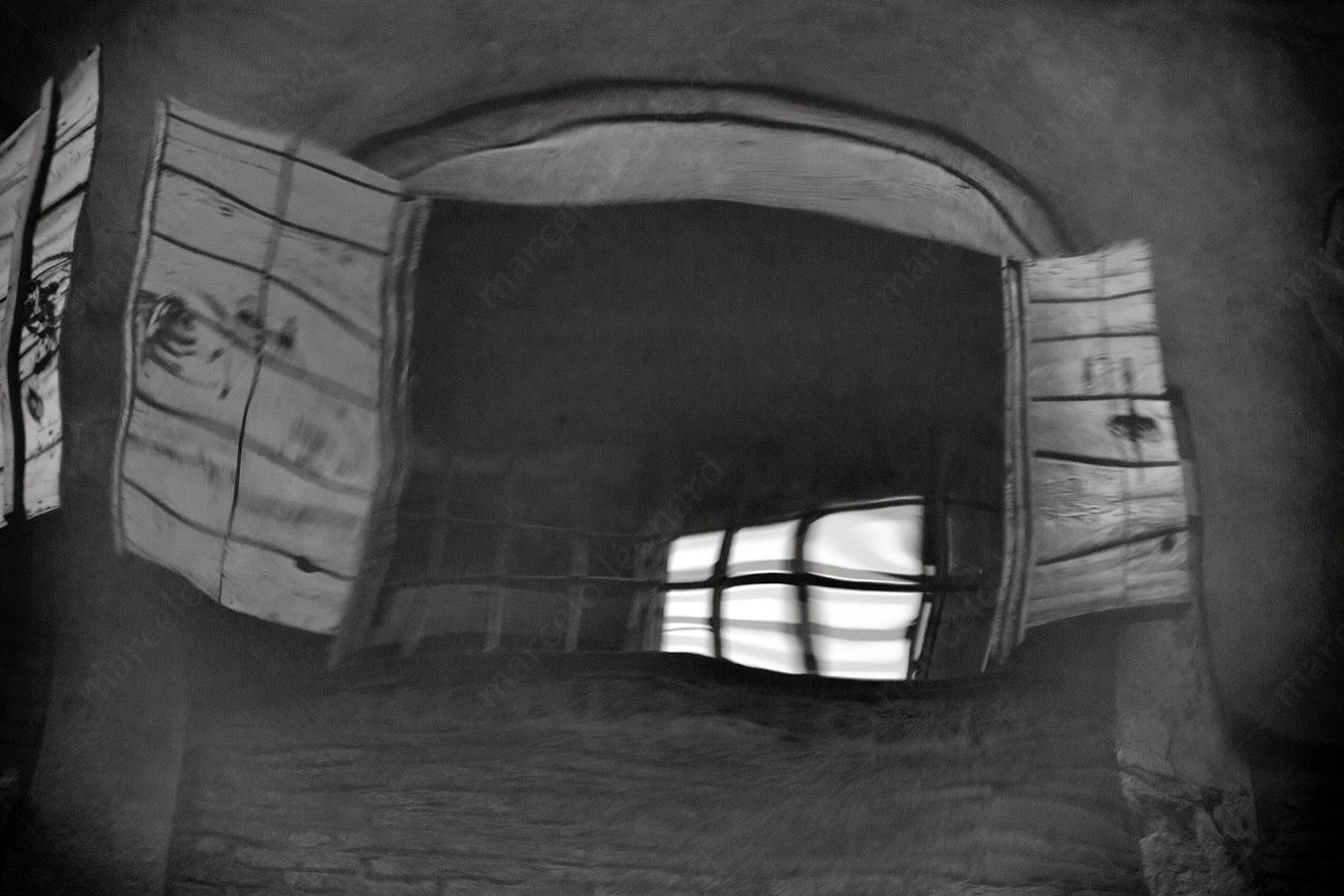
En la fotografía, como en la vida, lo más valioso no es aquello que se entrega de una vez, sino lo que se insinúa y nos obliga a abrir el corazón.
(The Spanish version of this interview is provided below the English version.)
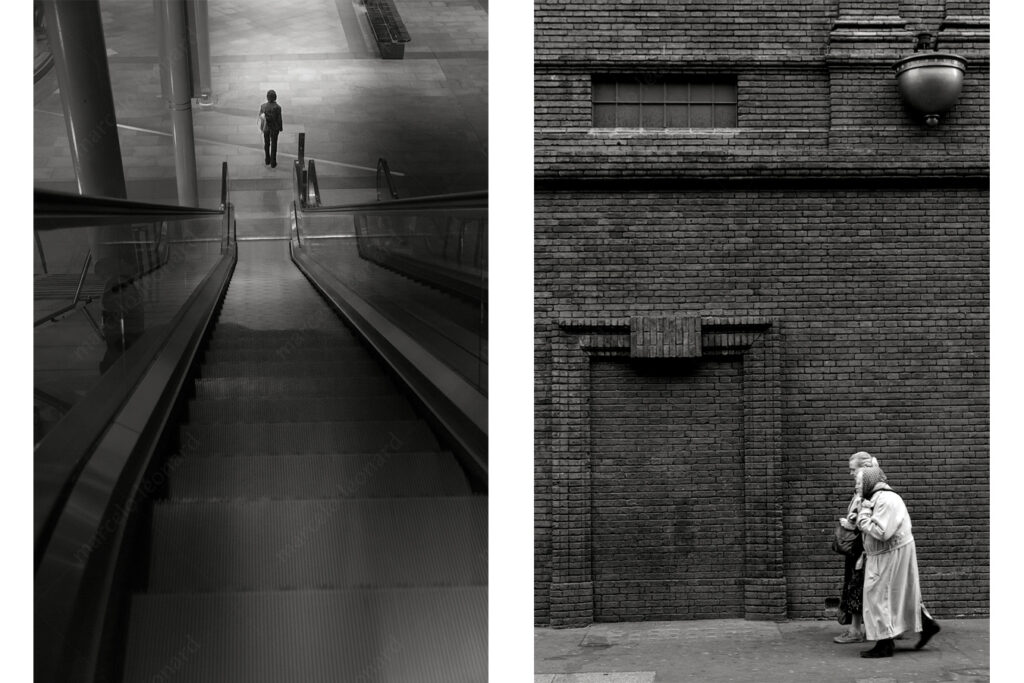
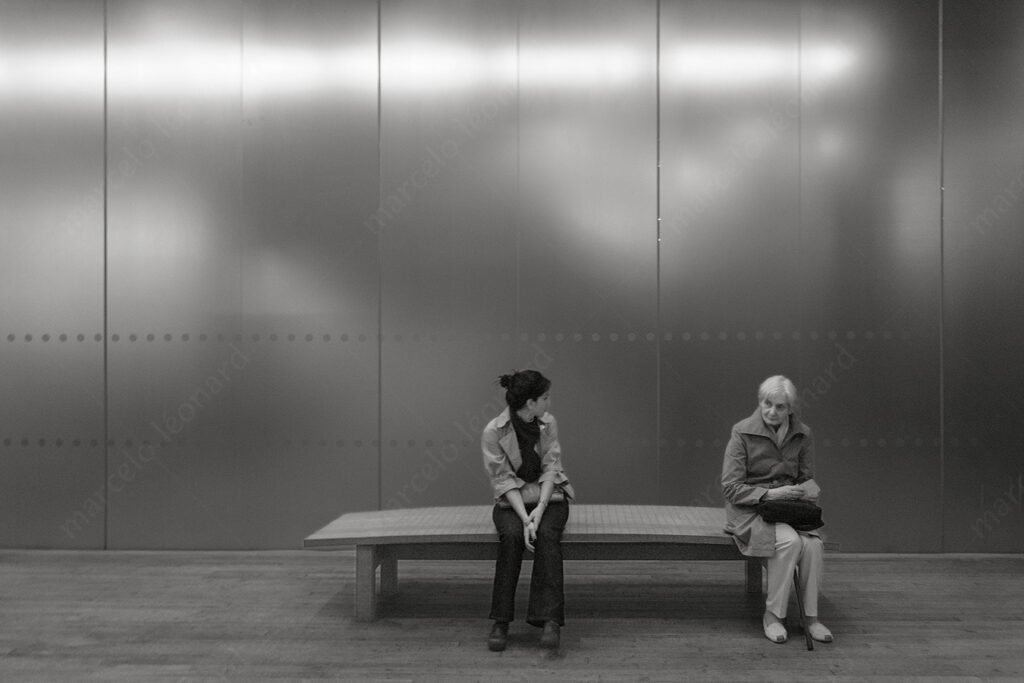
Todas la imágenes © Marcelo Léonard todos los derechos reservados. No utilizar sin autorización escrita.
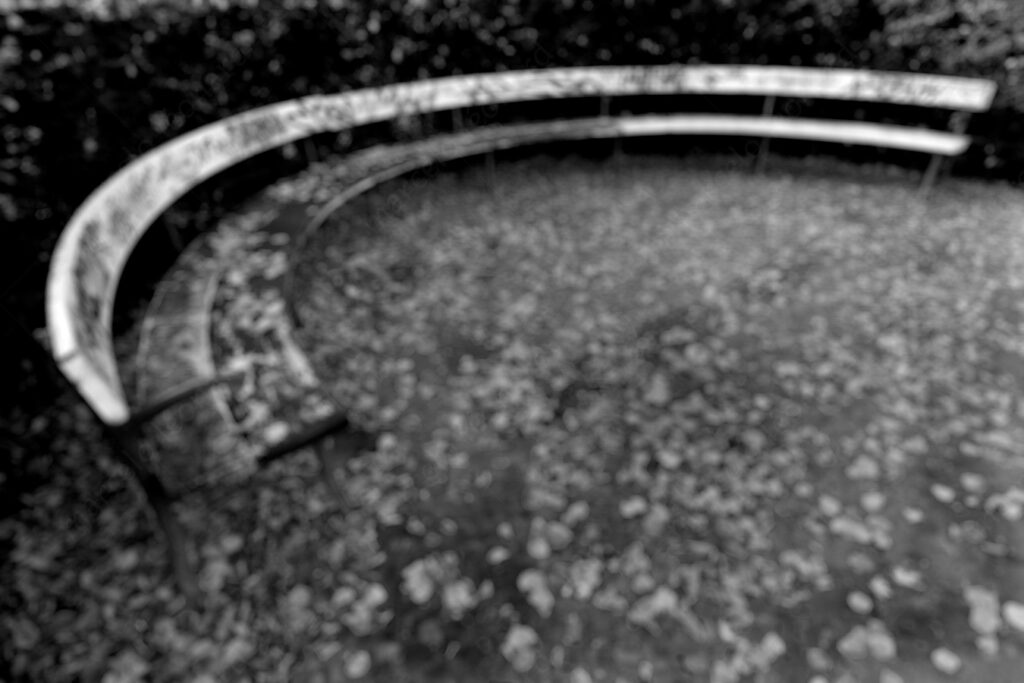
Introducción a la entrevista
El café estaba casi vacío. Afuera, una suave llovizna caía sobre el puerto, como si intentara borrar la línea que separa el mar del cielo. En una mesa junto a la ventana, Marcelo sostenía una taza de té que apenas tocaba.
El vapor se alzaba lentamente, y había algo de ese mismo movimiento en sus ojos: un ascenso suave, sin prisa, como si mirara más allá del cristal y viera un lugar que no estaba allí.
No llevaba cámara, ni había traído fotografías. Dijo que no las necesitaba, que las imágenes más importantes las guardaba en la memoria, donde se desvanecían lentamente con la delicadeza de un pétalo al caer.
Su voz era baja, casi un susurro, y cada palabra parecía flotar un instante antes de posarse.
Afuera, los barcos dormían; adentro, comenzaba una conversación que acabaría siendo más un mapa de ausencias que una simple entrevista.
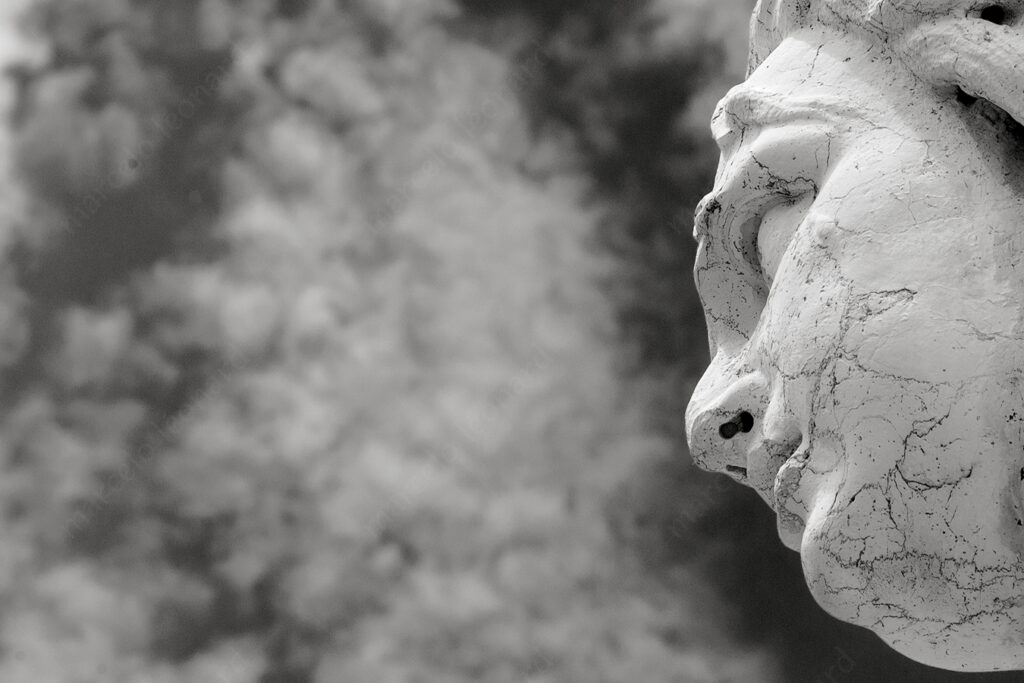
I. El arte de mirar lo que se va
¿Cuándo comenzaste a mirar con los ojos de quien sabe que todo es efímero?
Comencé a mirar con esos ojos el día que comprendí que la luz nunca es la misma dos veces.
Fue hace mucho tiempo, cuando estaba en el mar. El sol apenas comenzaba a romper el horizonte y su luz teñía de naranja la bruma lejana. Fui a buscar mi cámara, pero cuando regresé, la luz había cambiado y el momento se había ido. Al principio sentí frustración, pero entonces comprendí: esa era la fotografía. No la que había imaginado, sino la que había existido durante un instante y después desapareció, como todo lo que amamos, como todo lo que somos.
Desde entonces, fotografío como quien sabe que todo lo que sucede es irrepetible. Cada sombra, cada arruga en un rostro, cada reflejo en el agua: son manifestaciones de la impermanencia. No intento detener el tiempo, solo rendirme ante él y estar presente cuando sucede. Porque la belleza no está en lo que perdura, sino en lo que se va.
¿Qué puede enseñarnos una imagen que se resiste a revelarse por completo?
Lo que no se revela por completo nos invita a caminar hacia ello. En la fotografía, como en la vida, lo más valioso no es aquello que se entrega de una vez, sino lo que se insinúa y nos obliga a abrir el corazón. Una imagen velada nos recuerda que la verdad no siempre es un objeto que pueda poseerse; a veces es un camino que recorremos y que quizá nunca terminamos. La incompletitud no es un defecto: es un recordatorio de que toda visión es parcial y de que todo instante está hecho de ausencias.
¿Por qué eliges utilizar el desenfoque en muchas de tus imágenes?
Porque enfocar es siempre elegir, y elegir es siempre excluir. Cuando desenfoco, renuncio al control, a esa obsesión por capturar las cosas exactamente como “son”. La vida no se presenta con nitidez; llega envuelta en bruma, en dudas, en percepciones que cambian. El desenfoque es mi manera de decir que la forma puede disolverse sin perder su esencia.
¿Crees que la fotografía puede ser un acto de renuncia?
Lo es, porque cada fotografía implica aceptar que el momento que vi ya no existe. Es dejar ir. Es sostener durante un instante aquello que inevitablemente se está yendo, sabiendo que no puedo conservarlo, ni siquiera en la imagen. La fotografía no detiene el tiempo; lo honra mientras se marcha.
¿Qué tiene el blanco y negro que no tiene el color? ¿Es más silencio que expresión?
El blanco y negro me recuerda a la bocina de un barco sonando en medio de la niebla: no necesito ver toda la escena para sentirla. El color a veces distrae, a veces seduce. El blanco y negro, en cambio, desnuda las cosas. Lo que queda no es menos expresión, sino una expresión más pura, despojada de todo lo innecesario. Es un silencio que habla, no a los oídos, sino al espacio interior.
¿Cómo se fotografía el momento en que algo deja de ser?
No buscando, sino escuchando. Es como percibir el último aliento antes del silencio absoluto. Está en un pétalo que se desprende, en una sombra que se alarga hasta desaparecer, en un rostro que deja de esperar. Lo importante no es el instante exacto, sino el eco que deja. Fotografiar no es retener; es dejar ir.
¿Qué lugar ocupa el vacío en tu proceso creativo?
Es el principio y el final. Antes de coger la cámara, permanezco quieto, como si no hubiera nada que fotografiar. En la quietud fotografío, y regreso al silencio que me recuerda que nada de lo que he capturado me pertenece. El vacío no es ausencia; es el espacio en el que todo puede aparecer.
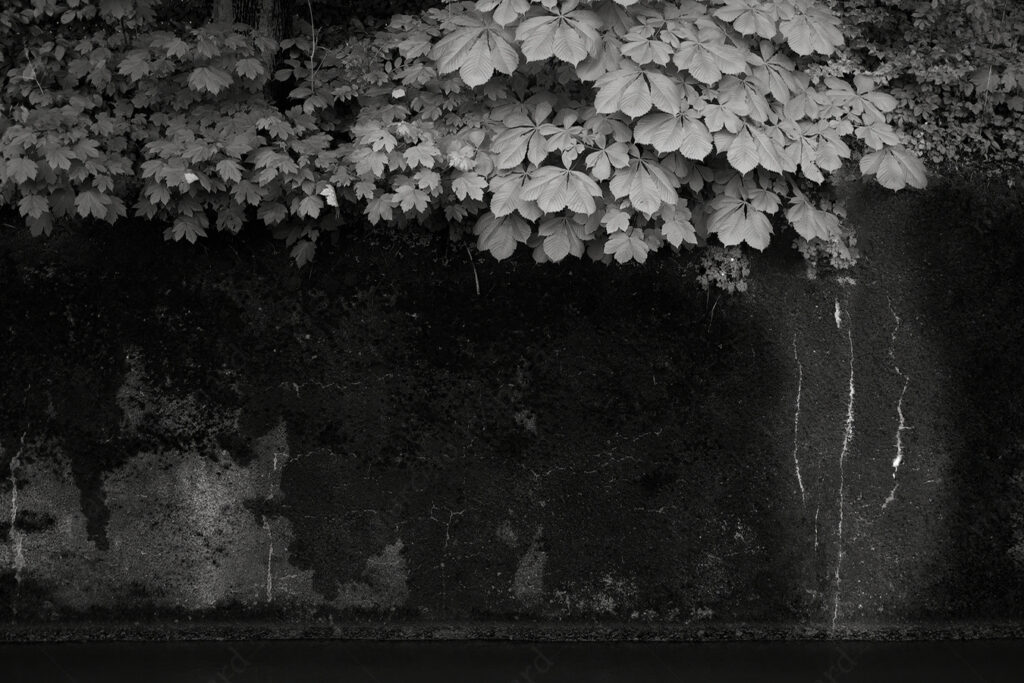
II. Herencia invisible
¿Quiénes han sido tus maestros?
Mis maestros más profundos no fueron fotógrafos, ni siquiera artistas. Fueron presencias silenciosas que me enseñaron sin palabras: un hombre muerto en un hospital, un niño corriendo con una pelota, un perro sacudiéndose el agua del cuerpo, una joven cerrando su paraguas, una anciana que pasaba horas barriendo hojas que volverían a caer. Ninguno de ellos sabía que me estaba enseñando; ninguno necesitaba saberlo. Comprendí que la verdadera transmisión no necesita reconocimiento, y que la sabiduría encuentra su camino hasta nosotros por medios invisibles, como el aroma de una flor en la noche.
¿Crees que la creatividad necesita alimentarse de la lectura, o que leer es en sí mismo una forma de crear?
Leer no es solo alimento para la creatividad; es un acto de creación en sí mismo. Cada página abre un espacio en blanco dentro de nosotros, y allí el lector inventa lo que no ha sido escrito: los gestos que nunca se describen, los silencios entre las frases, las sombras que se extienden más allá de los párrafos. Leer es crear mundos invisibles a partir de signos visibles.
Las palabras no permanecen quietas. Se disuelven, cambian, mutan dentro de nosotros. Como una sombra que se mueve con la luz, como un reflejo sobre el agua. Tal vez la creatividad no nazca únicamente de la lectura, pero encuentra en ella un espejo: alguien escribió y, al leerlo, alguien vuelve a escribir dentro de sí.
¿Recuerdas la primera imagen que te enseñó algo más allá de la técnica?
Sí. Era un charco en medio de un camino de tierra. En él se reflejaba un cielo gris, pero lo que me detuvo no fue el reflejo, sino una hoja que flotaba allí, girando lentamente. Comprendí que la imagen no estaba en la composición perfecta ni en la exposición correcta, sino en el momento en que me sentí parte de aquello que estaba viendo. La hoja no estaba “allí” y yo “aquí”; éramos lo mismo, flotando en un instante que ya estaba pasando.
¿Qué papel desempeñan el error y la imperfección en tu manera de crear?
El error es el maestro que nunca llama a la puerta. Me recuerda que el control es una ilusión. Muchas de mis imágenes favoritas nacieron de un desenfoque involuntario, de una luz que falló, de una composición que se salió del plan. El budismo me enseñó que la imperfección es la huella de la vida real, y la fotografía me lo confirma: es en lo irregular donde respira el alma.
¿Escuchas a la naturaleza cuando fotografías? ¿Te hablan el viento, la sombra, el reflejo?
Escuchar es fotografiar sin apretar el disparador. El viento me dice cuándo esperar, la sombra me recuerda que la luz no lo es todo, y el reflejo me enseña que el mundo tiene dobles, que aquello que creemos real puede no ser más que un espejismo.
¿Lees, sueñas, caminas para encontrar inspiración, o simplemente esperas?
Camino, porque caminar es mi forma de meditar. El movimiento del cuerpo ordena el pensamiento, y una mente en calma empieza a ver lo que antes estaba oculto. Aprendo de los sueños, porque en ellos una narración no necesita lógica para tener sentido. Y a veces simplemente espero, como una piedra junto al río: contemplando pasar la corriente, la vida se acerca por sí sola cuando dejamos de perseguirla.
¿Alguna de tus fotografías te ha enseñado algo que no sabías que llevabas dentro?
Una vez fotografié mi sombra proyectada sobre un muro en ruinas. Mientras procesaba la imagen, sentí que no estaba viendo una sombra, sino una grieta que habitaba en mí. Comprendí que la cámara no solo mira hacia fuera: también apunta hacia aquello que guardamos en silencio.
¿Cómo influyen el sufrimiento o la pérdida en tu mirada artística?
El sufrimiento abre grietas por las que entra una luz diferente. La pérdida me enseñó a mirar más despacio, a no dar nada por sentado. Cada vez que pierdo algo, también pierdo un poco del fotógrafo que fui, y eso me permite renacer siendo otro
III. Inteligencia artificial y la paradoja de lo artificial
¿Qué piensas de la inteligencia artificial como herramienta creativa?
La veo como una cámara que nunca tuvo manos, ni ojos, ni corazón. Puede reproducir formas, pero no la experiencia de haber estado allí, de haber sentido el frío, de haber esperado a que el sol atravesara una ventana. Es útil para determinadas tareas, pero como carece de la pasión y el sentimiento que hacen que una imagen cobre vida, necesita de la intervención del artista para dársela.
¿Puede una imagen generada por una máquina expresar compasión o vacío?
Puede imitar la forma de la compasión, pero no su raíz. La compasión no es meramente estética; es la resonancia de haber compartido el dolor y la alegría de otro ser. El vacío, en el sentido budista, no es ausencia, sino interdependencia, y eso no puede programarse: hay que vivirlo.
¿Es posible que lo artificial revele verdades que el ojo humano no puede ver?
Creo que sí, pero esas verdades no siempre son emocionales; a veces son patrones, simetrías, estructuras que nuestras mentes distraídas no alcanzan a percibir. Es otra forma de ver, pero no necesariamente de sentir.
¿Te preocupa que la dimensión espiritual, el impacto emocional de la imagen, pueda perderse a través de una repetición sin alma?
Sí, porque la abundancia convierte el acto de mirar en consumo. Cuando una imagen se multiplica sin intención, el espectador deja de sorprenderse ante el misterio.
¿Hay espacio para el espíritu en un arte que nace sin cuerpo ni historia?
Hay espacio para lo espiritual. Una imagen puede volverse sagrada, pero no en su origen, sino en el encuentro, cuando quien la contempla deposita en ella su silencio, su atención y su corazón.
¿Cómo se preserva la presencia en un arte cada vez más ausente?
Volviendo al instante. Mirando menos, pero más profundamente. Haciendo pausas. Sin tener miedo al vacío entre una imagen y la siguiente.
¿Por qué creas collages digitales y composiciones con técnicas mixtas?
Porque, del mismo modo que la vida está hecha de fragmentos, recuerdos, sensaciones y pérdidas, mis collages son rompecabezas emocionales, una forma de reunir y encajar experiencias en una imagen simbólica.
Utilizo técnicas mixtas porque a veces una sola imagen, por sí misma, está emocionalmente vacía. Como ocurre con los recuerdos, necesito superponer, rasgar, ensamblar, velar. Cada capa es una forma de aceptar que todo cambia, que nada permanece intacto y que, dentro de esa fragilidad, también habita la verdad.
Hago collages para rendir homenaje a lo que fue, a lo que todavía permanece y a lo que está a punto de desvanecerse.
IV. Redes sociales: el deseo multiplicado
¿Cómo habitas el espacio de las redes sociales, donde el yo se amplifica?
Entro como un viajero en un mercado: sé que es ruidoso, sé que hay brillo y exceso, pero camino sin buscar demasiado. No me detengo mucho tiempo en los puestos más deslumbrantes; prefiero las esquinas silenciosas. Publico y me voy, como una flor que brota sin esperar nuestro aplauso.
¿Has sentido que tus imágenes pierden su esencia cuando se comparten tan rápido?
Casi siempre. La velocidad es enemiga de la contemplación. Una imagen necesita reposo, del mismo modo que el té necesita tiempo para infusionarse. Cuando se consume en un instante, se pierde el eco que permite que permanezca en quien la contempla.
¿Qué te dice el silencio cuando una fotografía no recibe atención?
Me recuerda que el valor de una imagen no está en las miradas externas, sino en el momento en que fue creada. A veces, ese silencio es un abrazo: me libera del peso de gustar.
¿Publicas por necesidad, por impulso, por gratitud o por deseo de ser visto?
Por gratitud, cuando siento que algo que he visto no me pertenece solo a mí. Por impulso, cuando una luz o un gesto me sorprende y quiero que exista más allá de mi memoria.
¿Puede una red social convertirse en un lugar de contemplación?
Sí, pero requiere un pacto silencioso entre quien comparte y quien recibe: no correr, no acumular, no exigir una novedad constante.
¿Cómo proteges tu sensibilidad frente al ruido del mundo digital?
Me retiro. A veces durante días, a veces durante meses. El silencio no es ausencia: es la tierra que permite que la mirada eche raíces.
¿Qué relación tienes con el reconocimiento? ¿Te fortalece o te desvía?
El reconocimiento es un visitante: se le recibe con cortesía, pero no se le entregan las llaves de la casa.
V. La imagen como camino interior
¿Es para ti la fotografía una forma de meditación?
Por supuesto. Cuando miro a través del visor, mi respiración se aquieta y todo encuentra su lugar: luz, forma, sombra, silencio. Fotografiar es inhalar el instante y exhalar su partida.
¿Qué permanece en ti después de capturar una imagen?
Una gratitud que no necesita palabras. No por la imagen en sí, sino por haber sido testigo. Es como si el mundo me hubiera permitido asistir a un momento privado y me hubiera confiado su secreto.
¿Qué has aprendido del tiempo a través de tu arte?
Que no es una línea, sino una respiración: se expande y se contrae, a veces rápido, a veces despacio. Por mucho que quiera aferrarme a él, siempre se está escapando, y esa fuga forma parte de su belleza.
Si tu obra fuera una enseñanza, ¿Qué le susurraría al corazón de quien la contempla?
No te aferres a nada. Todo es ya tuyo mientras lo contemplas, y sigue siéndolo incluso después de que te alejas.
¿Dónde termina la imagen y comienza la realidad? ¿O son lo mismo?
No hay frontera. La fotografía es un puente que nunca te dice cuándo lo has cruzado: a veces estás en la realidad creyendo estar en la imagen, y otras veces miras una imagen que te devuelve a la realidad con más claridad que la propia vida.
¿Qué buscas al mirar a través del visor: belleza, verdad, vacío o comunión?
Busco comunión. La belleza y la verdad aparecen como flores silvestres en ese encuentro. El vacío es la tierra en la que crecen.
¿Cómo sería una fotografía tomada desde un estado de no-yo?
Sería como el reflejo de una nube sobre un lago sin viento: sin autor, sin intención, sin firma. Solo una presencia que no necesita nombre.
ENGLISH VERSION
In photography, as in life, what is most valuable is not what is given all at once, but what is hinted at and compels us to open our hearts.
All images by © Marcelo Léonard, all right reserved. Do not use without the author’s written permission.
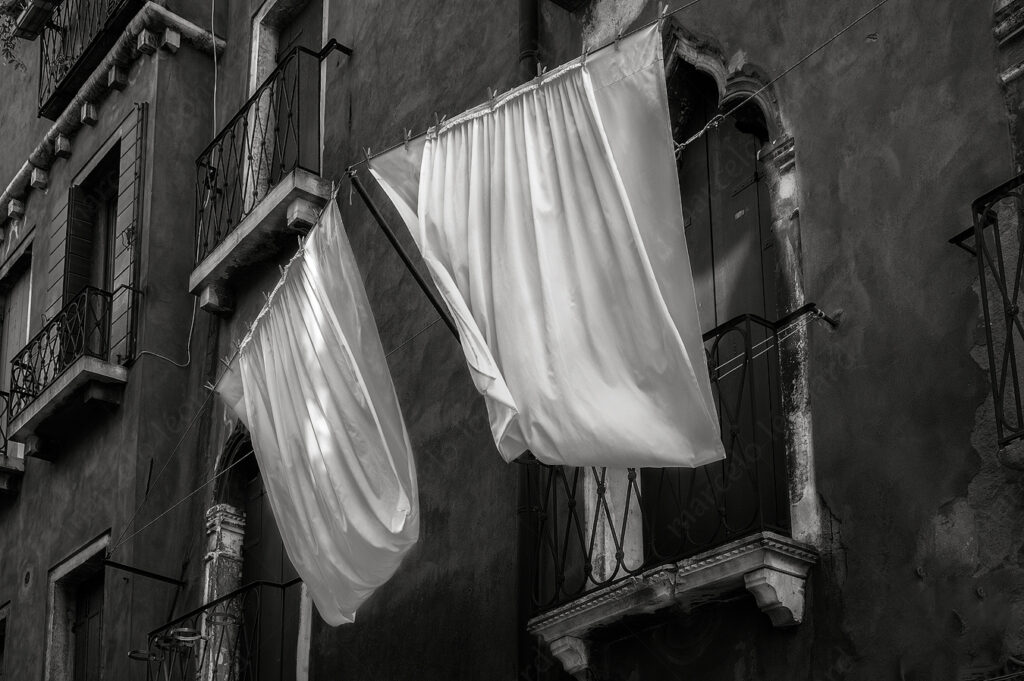
Introduction to the Interview
The café was almost empty. Outside, a soft drizzle fell over the harbor, as if trying to erase the line separating sea from sky. At a table by the window, Marcelo held a cup of tea that he barely touched.
The steam rose slowly, and there was something of the same movement in his eyes: a gentle ascent, unhurried, as though he were looking beyond the glass and seeing a place that was not there.
He carried no camera, brought no photographs. He said he did not need them, that the most important images were kept in his memory, where they slowly faded with the delicacy of a falling petal.
His voice was low, almost a whisper, and each word seemed to float for a moment before settling.
Outside, the boats slept; inside, a conversation was beginning—one that would become more a map of absences than a simple interview.
I. The Art of Looking at What Is Leaving
When did you begin to look with the eyes of someone who knows that everything is ephemeral?
I began to look with those eyes the day I understood that light is never the same twice.
It was a long time ago, when I was at sea. The sun was just breaking the horizon, its light turning the distant mist orange. I went to get my camera, but by the time I returned, the light had changed and the moment was gone. At first, I felt frustrated, but then I understood: that was the photograph. Not the one I had imagined, but the one that existed for an instant and then disappeared, like everything we love, like everything we are.
Since then, I have photographed as someone who knows that everything that happens is unrepeatable. Every shadow, every wrinkle on a face, every reflection in the water: they are manifestations of impermanence. I do not try to stop time, only to surrender to it and be present when it happens. Because beauty is not found in what endures, but in what is leaving.
What can an image that refuses to fully reveal itself teach us?
What does not reveal itself completely invites us to walk toward it. In photography, as in life, what is most valuable is not what is given all at once, but what is hinted at and compels us to open our hearts. A veiled image reminds us that truth is not always an object to be possessed; sometimes it is a path we walk, and perhaps never finish. Incompleteness is not a flaw: it is a reminder that every vision is partial and every moment is made of absences.
Why do you choose to use blur in many of your images?
Because to focus is always to choose, and to choose is always to exclude. When I blur, I relinquish control, that obsession with capturing things exactly as they “are.” Life does not present itself sharply; it comes wrapped in mist, in doubt, in perceptions that shift. Blur is my way of saying that form can dissolve without losing its essence.
Do you believe photography can be an act of surrender?
It is, because every photograph means accepting that the moment I saw no longer exists. It is a letting go. It is holding, for a moment, what is inevitably leaving, knowing that I cannot keep it—not even in the image. Photography does not stop time; it honors it as it departs.
What does black and white have that color does not? Is it more silence than expression?
Black and white reminds me of a ship’s horn sounding in the fog: I do not need to see the whole scene to feel it. Color can sometimes distract, sometimes seduce. Black and white, by contrast, strips things bare. What remains is not less expression, but a purer expression, stripped of everything unnecessary. It is a silence that speaks, not to the ears, but to the inner space.
How do you photograph the moment when something ceases to be?
Not by searching, but by listening. It is like sensing the final breath before absolute silence. It is there in a petal breaking free, in a shadow stretching until it disappears, in a face that stops waiting. What matters is not the exact moment, but the echo it leaves behind. To photograph is not to hold on; it is to let go.
What place does emptiness occupy in your creative process?
It is the beginning and the end. Before I pick up the camera, I remain still, as though there were nothing to photograph. In stillness I photograph, and I return to the silence that reminds me that nothing I have captured belongs to me. Emptiness is not absence; it is the space in which everything can appear.
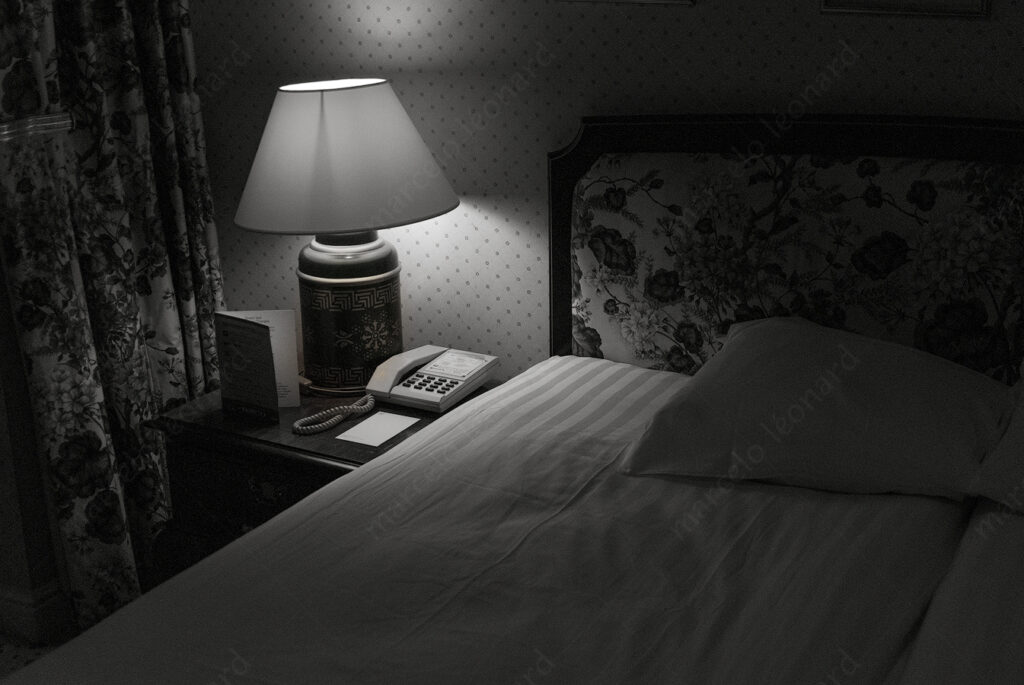
II. Invisible Inheritance
Who have been your teachers?
My deepest teachers were not photographers, nor even artists. They were silent presences who taught me without words: a dead man in a hospital, a child running with a ball, a dog shaking the water from its coat, a young woman closing her umbrella, an old woman spending hours sweeping leaves that would fall again. None of them knew they were teaching me; none of them needed to know. I came to understand that true transmission requires no recognition, and that wisdom finds its way into us through invisible means, like the scent of a flower in the night.
Do you think creativity needs to be nourished by reading, or is reading itself a form of creation?
Reading is not merely nourishment for creativity; it is an act of creation in itself. Every page opens a blank space within us, and there the reader invents what has not been written: the gestures that are never described, the silences between sentences, the shadows that stretch beyond the paragraphs. To read is to create invisible worlds from visible signs.
Words do not remain still. They dissolve, change, mutate within us. Like a shadow moving with the light, like a reflection on water. Perhaps creativity does not arise from reading alone, but it does find a mirror there: someone wrote, and in reading, someone writes again within themselves.
Do you remember the first image that taught you something beyond technique?
Yes. It was a puddle in the middle of a dirt road. A gray sky was reflected in it, but what stopped me was not the reflection; it was a leaf floating there, slowly turning. I understood that the image was not in the perfect composition or the correct exposure, but in the moment when I felt part of what I was seeing. The leaf was not “there” and I “here”; we were the same thing, floating in a moment that was already passing.
What role does error, imperfection, play in the way you create?
Error is the teacher who never knocks on the door. It reminds me that control is an illusion. Many of my favorite images were born from an unintended blur, a light that failed, a composition that slipped beyond the plan. Buddhism taught me that imperfection is the imprint of real life, and photography confirms it: it is in the irregularity that the soul breathes.
Do you listen to nature when you photograph? Does the wind, the shadow, the reflection speak to you?
To listen is to photograph without pressing the shutter. The wind tells me when to wait, the shadow reminds me that light is not everything, and the reflection teaches me that the world has doubles, that what we believe to be real may be nothing more than a mirage.
Do you read, dream, walk to find inspiration, or do you simply wait?
I walk, because walking is my way of meditating. The movement of the body puts thought in order, and a quiet mind begins to see what was hidden before. I learn from dreams, because in them a narrative does not need logic in order to make sense. And sometimes, I simply wait, like a stone beside the river: watching the current pass, life draws near on its own when we stop chasing it.
Has one of your photographs ever taught you something you did not know you were carrying inside?
Once, I photographed my shadow projected onto a crumbling wall. While processing the image, I felt that I was not looking at a shadow, but at a crack that lived within me. I understood that the camera does not only look outward: it also points toward what we keep in silence.
How do suffering or loss influence your artistic gaze?
Suffering opens cracks through which a different kind of light enters. Loss taught me to look more slowly, to take nothing for granted. Every time I lose something, I also lose a little of the photographer I used to be, and that allows me to be reborn as another.
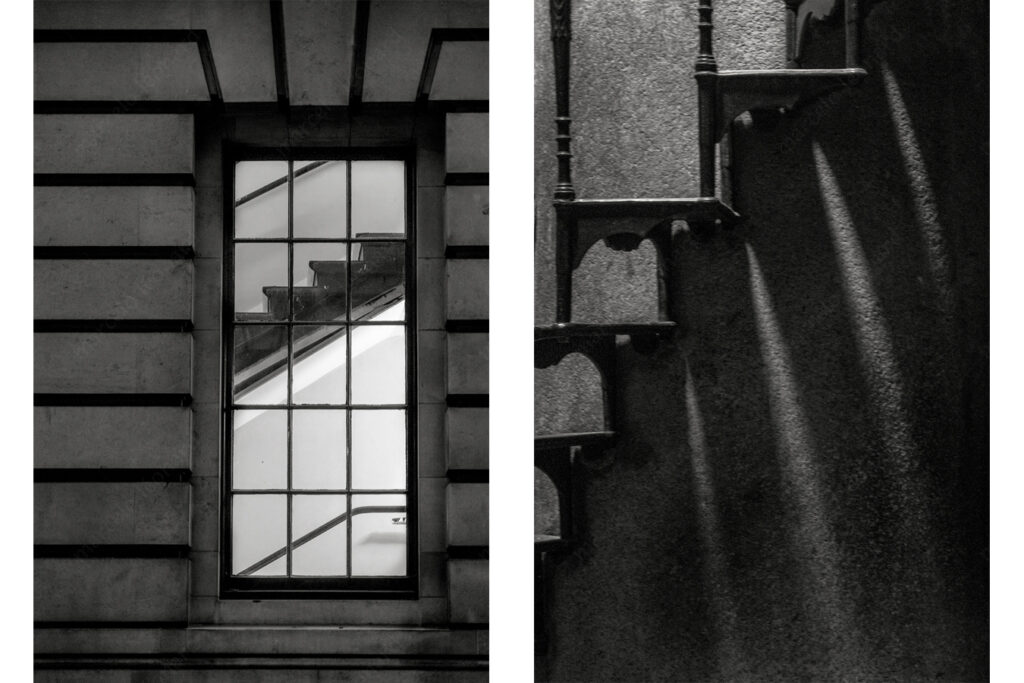
III. Artificial Intelligence and the Paradox of the Artificial
What do you think of artificial intelligence as a creative tool?
I see it as a camera that never had hands, or eyes, or a heart. It can reproduce forms, but not the experience of having been there, of having felt the cold, of having waited for the sun to cross a window. It is useful for certain tasks, but because it lacks the passion and feeling that make an image come alive, it needs the artist’s intervention to give it life.
Can an image generated by a machine express compassion or emptiness?
It can imitate the form of compassion, but not its root. Compassion is not merely aesthetic; it is the resonance of having shared in another being’s pain and joy. Emptiness, in the Buddhist sense, is not absence but interdependence, and that cannot be programmed: it must be lived.
Is it possible for the artificial to reveal truths that the human eye cannot see?
I believe so, but those truths are not always emotional; sometimes they are patterns, symmetries, structures that our distracted minds fail to perceive. It is another way of seeing, but not necessarily of feeling.
Does it concern you that the spiritual dimension, the emotional impact of the image, might be lost through repetition without soul?
Yes, because abundance turns the act of looking into consumption. When an image is multiplied without intention, the viewer ceases to be surprised by mystery.
Is there room for the spirit in an art that is born without a body or a history?
There is room for the spiritual. An image can become sacred, but not in its origin; rather, in the encounter, when the person contemplating it places within it their silence, their attention, and their heart.
How does one preserve presence in an art that is becoming increasingly absent?
By returning to the moment. Looking less, but more deeply. Pausing. Not being afraid of the emptiness between one image and the next.
Why do you create digital collages and mixed-media compositions?
Because just as life is made up of fragments, memories, sensations, and losses, my collages are emotional puzzles, a way of gathering and fitting experiences together into a symbolic image.
I use mixed media because sometimes a single image, on its own, is emotionally empty. As with memories, I need to layer, tear, assemble, veil. Each layer is a way of accepting that everything changes, that nothing remains intact, and that within that fragility, truth also resides.
I make collages to pay homage to what was, to what still remains, and to what is about to fade away.
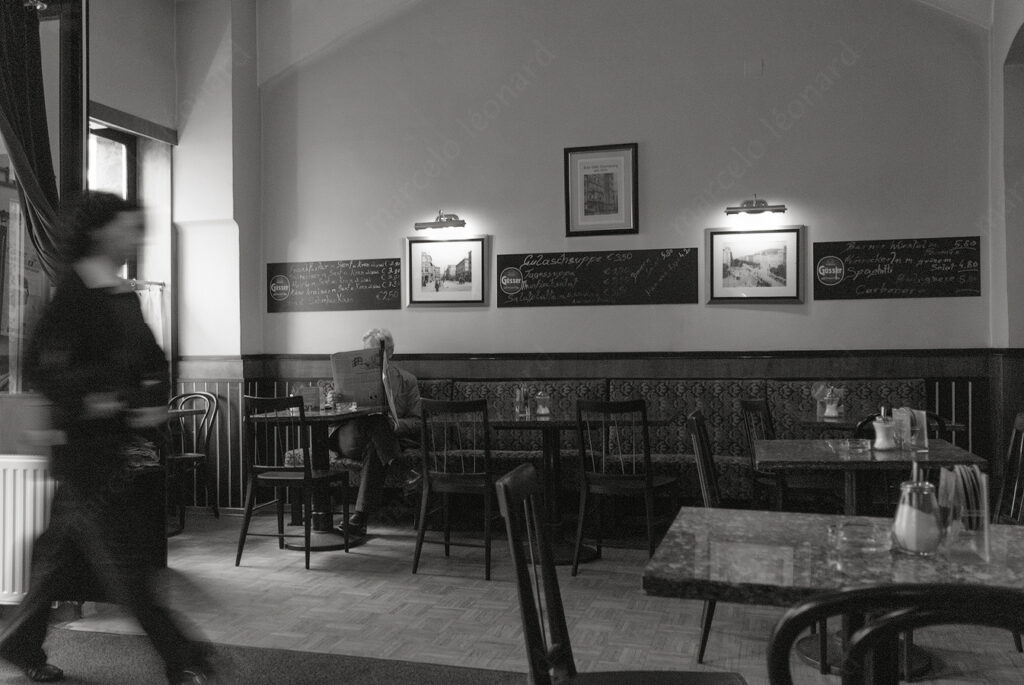
IV. Social Media: Desire Multiplied
How do you inhabit the space of social media, where the self is amplified?
I enter like a traveler entering a marketplace: I know it is noisy, I know there is brightness and excess, but I walk without searching for too much. I do not linger for long at the most dazzling stalls; I prefer the quiet corners. I post and leave, like a flower that blooms without waiting for our applause.
Have you ever felt that your images lose their essence when they are shared so quickly?
Almost always. Speed is the enemy of contemplation. An image needs to rest, just as tea needs time to steep. When it is consumed in an instant, the echo that allows it to remain within the person who sees it is lost.
What does silence tell you when a photograph receives no attention?
It reminds me that the value of an image does not lie in the eyes that look at it from the outside, but in the moment when it was created. Sometimes, that silence is an embrace: it frees me from the burden of being liked.
Do you post out of necessity, impulse, gratitude, or a desire to be seen?
Out of gratitude, when I feel that something I have seen does not belong only to me. Out of impulse, when a light or a gesture surprises me and I want it to exist beyond my memory.
Can a social network become a place of contemplation?
Yes, but it requires a silent pact between the person who shares and the person who receives: not to rush, not to accumulate, not to demand constant novelty.
How do you protect your sensitivity from the noise of the digital world?
I withdraw. Sometimes for days, sometimes for months. Silence is not absence: it is the soil that allows the gaze to take root.
What is your relationship with recognition? Does it strengthen you or lead you astray?
Recognition is a visitor: you welcome it with courtesy, but you do not give it the keys to the house.
V. The Image as an Inner Path
Is photographing a form of meditation for you?
Of course. When I look through the viewfinder, my breathing becomes still and everything falls into place: light, form, shadow, silence. Photographing is inhaling the moment and exhaling its departure.
What remains within you after capturing an image?
A gratitude that needs no words. Not for the image itself, but for having been a witness. It is as though the world had allowed me to attend a private moment and entrusted me with its secret.
What have you learned about time through your art?
That it is not a line, but a breath: it expands and contracts, sometimes quickly, sometimes slowly. And no matter how much I want to hold on to it, it is always slipping away, and that slipping away is part of its beauty.
If your work were a teaching, what would it whisper to the heart of the person contemplating it?
Hold on to nothing. Everything is already yours while you are looking at it, and it remains so even after you walk away.
Where does the image end and reality begin? Or are they the same?
There is no boundary. Photography is a bridge that never tells you when you have crossed it: sometimes you are in reality believing you are in the image, and sometimes you look at an image that returns you to reality with greater clarity than life itself.
What do you seek when you look through the viewfinder: beauty, truth, emptiness, or communion?
I seek communion. Beauty and truth appear like wildflowers in that encounter. Emptiness is the ground in which they grow.
What would a photograph taken from a state of no-self be like?
It would be like the reflection of a cloud on a windless lake: without an author, without intention, without a signature. Only a presence that needs no name.
Closing the Interview
The afternoon slowly faded, and the light at the window became so gray that it was no longer possible to distinguish the sea from the sky. Marcelo looked outside as though contemplating a photograph he had never taken. In his cup, a thread of cold tea remained, contrasting with the enveloping warmth that the conversation had created.
He rose slowly, as if unwilling to disturb the silence that had grown between us. Before leaving, he said:
“Everything we do is like this moment: soon it will be nothing, and that is why it is beautiful.”
I watched him disappear into the rain, without an umbrella, until his figure became a blur, like an image losing focus just before it disappears. And I thought that perhaps this was his true work: not the photographs, but the way he allowed the world to fade before him, without trying to hold it back.